Follow Me On Social Media!

How to Zest a Lemon: Elevate Your Dishes with Bright Flavor

Introduction to Zesting a Lemon
The vibrant world of cooking comes alive with the zest of a lemon. This little strip of citrus peel holds the power to transform your culinary creations, adding a burst of brightness and depth that fresh ingredients alone cannot achieve. Picture this: you’re preparing a delicate lemon tart, and as you zest that first lemon, the fragrant oils release, filling your kitchen with a refreshing aroma. It’s these moments of sensory engagement that make cooking truly enjoyable and rewarding.
Zesting is more than just a culinary technique—it’s an art that enhances flavors and elevates your dishes. The bright, aromatic zest offers a sharp, tangy kick that can awaken even the most basic recipes. Whether you’re whipping up a classic lemon meringue pie, infusing your favorite vinaigrette, or enhancing a savory dish, mastering how to zest a lemon will become second nature.
The Brightness of Fresh Citrus Zest
When you think about why zesting is so essential, you’ll often land on freshness. Fresh lemon zest brightens the flavors of your dishes like nothing else. The zest contains essential oils rich in flavor compounds that aren’t present in the juice alone. As you zest a lemon, imagine how a sprinkle of zest can turn an ordinary dish into a special one, merely by inviting that sunny, tart flavor to dance on your palate.
Here’s a friendly tip: using organic lemons is a game changer when zesting. Their peels are free from wax and pesticides, giving you a cleaner, more aromatic zest. Simply choose a fresh lemon with a vibrant color, as this typically indicates ripeness and flavor.
So, grab a microplane or a zester, and let’s explore the delightful process of how to zest a lemon. As you learn this simple yet impactful technique, you’ll find countless opportunities to incorporate that citrusy brightness into your dishes, making every meal feel a little more gourmet. Happy zesting!
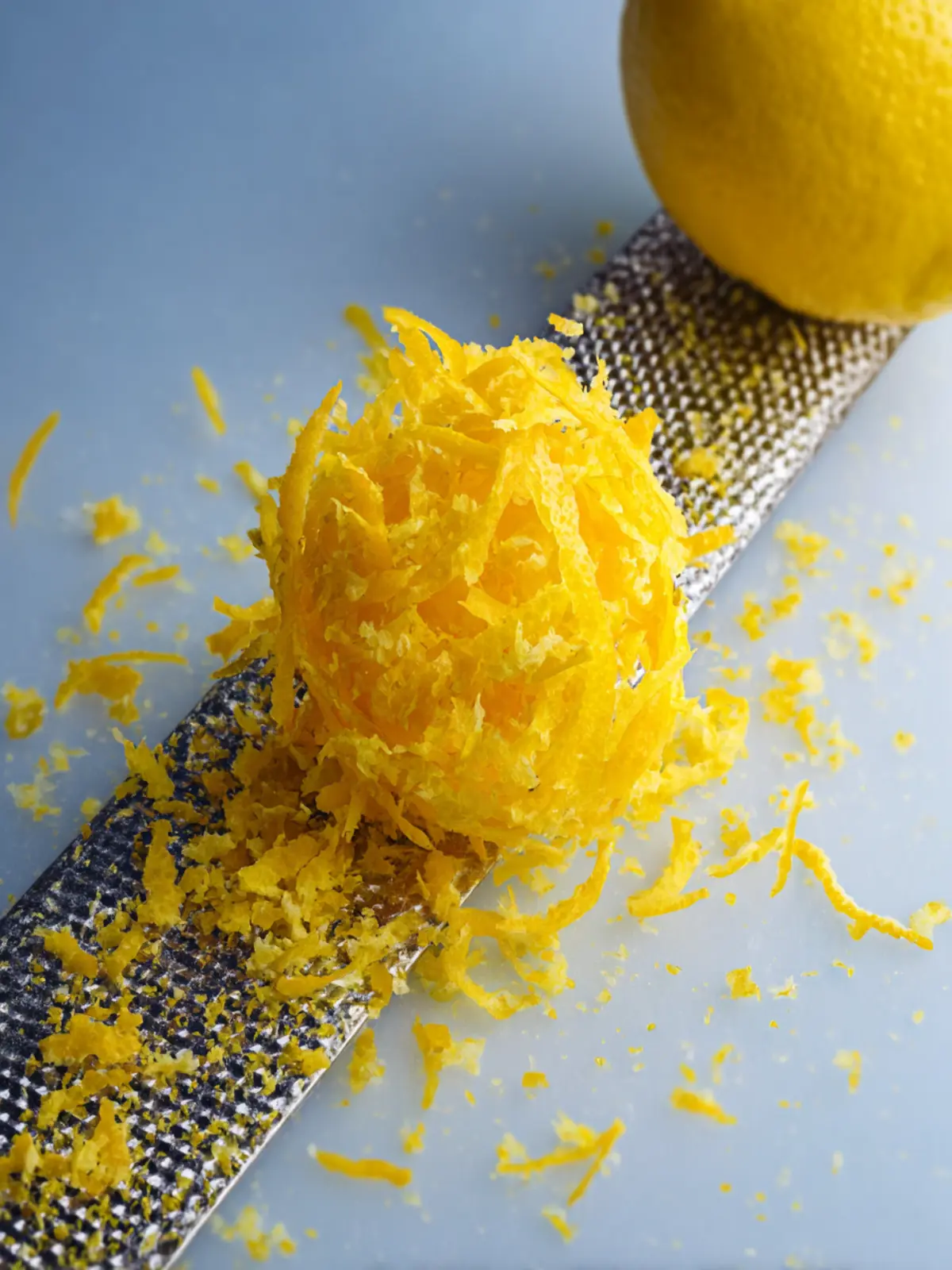
Key Ingredients for Zesting a Lemon
Lemons are an essential ingredient in adding brightness and acidity to many dishes. A good zest can elevate everything from salads to desserts. Here’s what you need for perfect lemon zesting:
-
Fresh Lemons: Always go for fresh lemons over pre-packaged zest or juice. The flavor is vastly superior, and the vibrant aroma can transform your cooking. Look for firm lemons that are bright yellow, as they yield the most zest.
-
Microplane Zester or Grater: This tool is a must-have for zesting lemons. It creates fine zest that quickly infuses your dishes with incredible flavor. If you don’t have a microplane, a box grater can also work, but it may produce larger pieces.
-
Cutting Board: A sturdy cutting board provides a safe surface to stabilize your lemon while you zest. Make sure it’s clean to avoid any unwanted flavors.
Using these basic tools and fresh lemons will ensure that you nail the process of how to zest a lemon every time, leaving you with a burst of flavor that enhances your meals beautifully.
Why You’ll Love Zesting a Lemon
Zesting a lemon isn’t just a kitchen task; it’s an art that transforms your culinary creations. When you learn how to zest a lemon, you’re opening a door to bright and vibrant flavors that can elevate both sweet and savory dishes. Picture this: you’re preparing a delicious lemon drizzle cake, and as you zest, the aromatic oils fill the air, instantly uplifting your mood.
The Freshness Factor
Using the zest of a lemon adds a burst of freshness that bottled lemon juice simply can’t match. The essential oils in the zest provide a brighter, more intense lemon flavor, enhancing your dishes like a sprinkle of sunshine. Imagine adding that zesty brightness to a creamy risotto or a tangy vinaigrette, transforming the ordinary into the extraordinary.
Easy and Fun
One of the joys of how to zest a lemon is that it’s both easy and satisfying. All you need is a microplane or a zester, and before you know it, you’ll be uncovering a world of flavor. Plus, it’s a great way to engage your senses. The vibrant yellow color, the refreshing scent, and the texture of the zest are all enjoyable parts of the process.
Versatile Ingredient
The zest is incredibly versatile. You can use it in baking, marinades, or even cocktails. The next time you’re making lemonade or a citrus-infused dessert, you’ll see just how much zest can elevate your dish. Embrace zesting—it’s an essential skill that can truly transform your cooking experience!
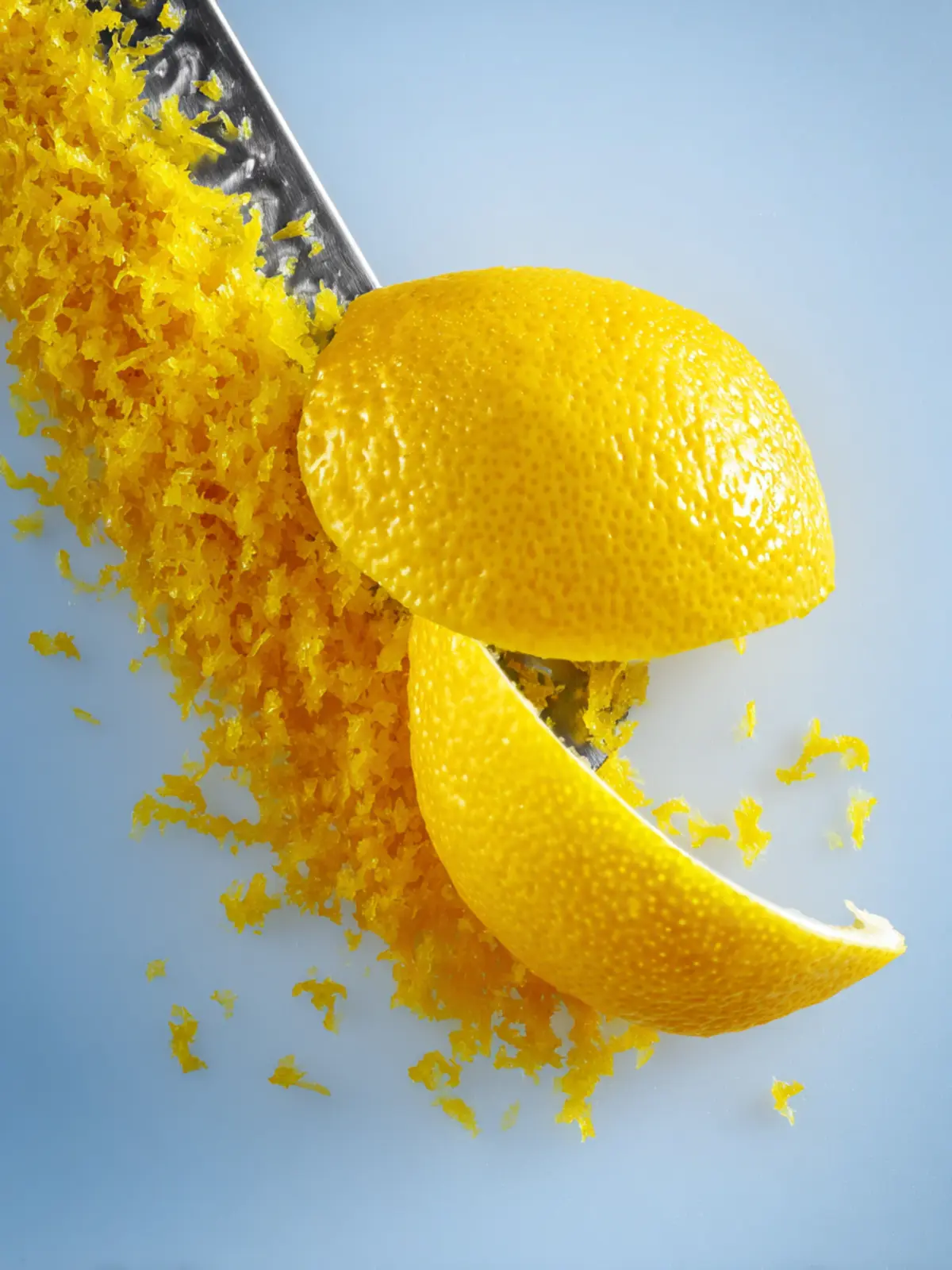
Variations in Zesting Techniques
Learning how to zest a lemon opens up a world of flavor that can elevate your culinary creations. Different zesting techniques can yield varying textures and intensities of lemon flavor, enhancing both sweet and savory dishes. Here are some methods you might consider:
Microplane Zesting
One of my go-to methods involves using a microplane. This nifty tool creates fine strands of zest, releasing aromatic oils that can transform your dish. As you drag the lemon over the microplane, be careful not to zest too deeply to avoid the bitter white pith.
Box Grater Zesting
If a microplane isn’t available, a box grater can work wonders too! Use the smaller holes to achieve a similar zest size. This method is great if you want to create more volume for a large batch of muffins or savory dishes.
Peeler and Knife Zesting
For a chunkier zest that stands out visually, consider using a vegetable peeler to remove larger strips of the lemon peel. You can then finely chop these strips with a knife. This method can add a delightful visual element to salads or as a garnish.
Whether you use a microplane, box grater, or simply a peeler, experimenting with these varying techniques in how to zest a lemon will bring an exciting dimension to your recipes. So go ahead and zest your way to culinary brilliance!
Cooking Tips for Efficient Zesting
Embarking on the journey of how to zest a lemon can be a game changer in your culinary adventures. A few years back, I discovered that a simple splash of lemon zest could elevate even the most mediocre dish to something special. Here are some friendly tips that can help you zest like a pro.
Choose the Right Tool
Using a microplane zester makes the job easier. It creates fine zest without the bitter white pith. If you don’t have one, a box grater’s smallest side works too, but be careful not to scrape too deep.
Select Fresh Lemons
Always opt for fresh lemons if you can. They not only zest better but also pack more vibrant flavor. Look for ones that feel heavy for their size—a sign that they’re juicy!
Prep Your Lemons
Before zesting, roll the lemon on the countertop with your palm. This helps release the juices and makes zesting more enjoyable.
Zest with Purpose
When zesting, avoid the bitter white pith. Focus on just the vibrant yellow skin. If your zest starts turning white, it’s time to stop.
With these tips in hand, you’re set to master how to zest a lemon efficiently, enhancing your dishes with a burst of citrus flavor!
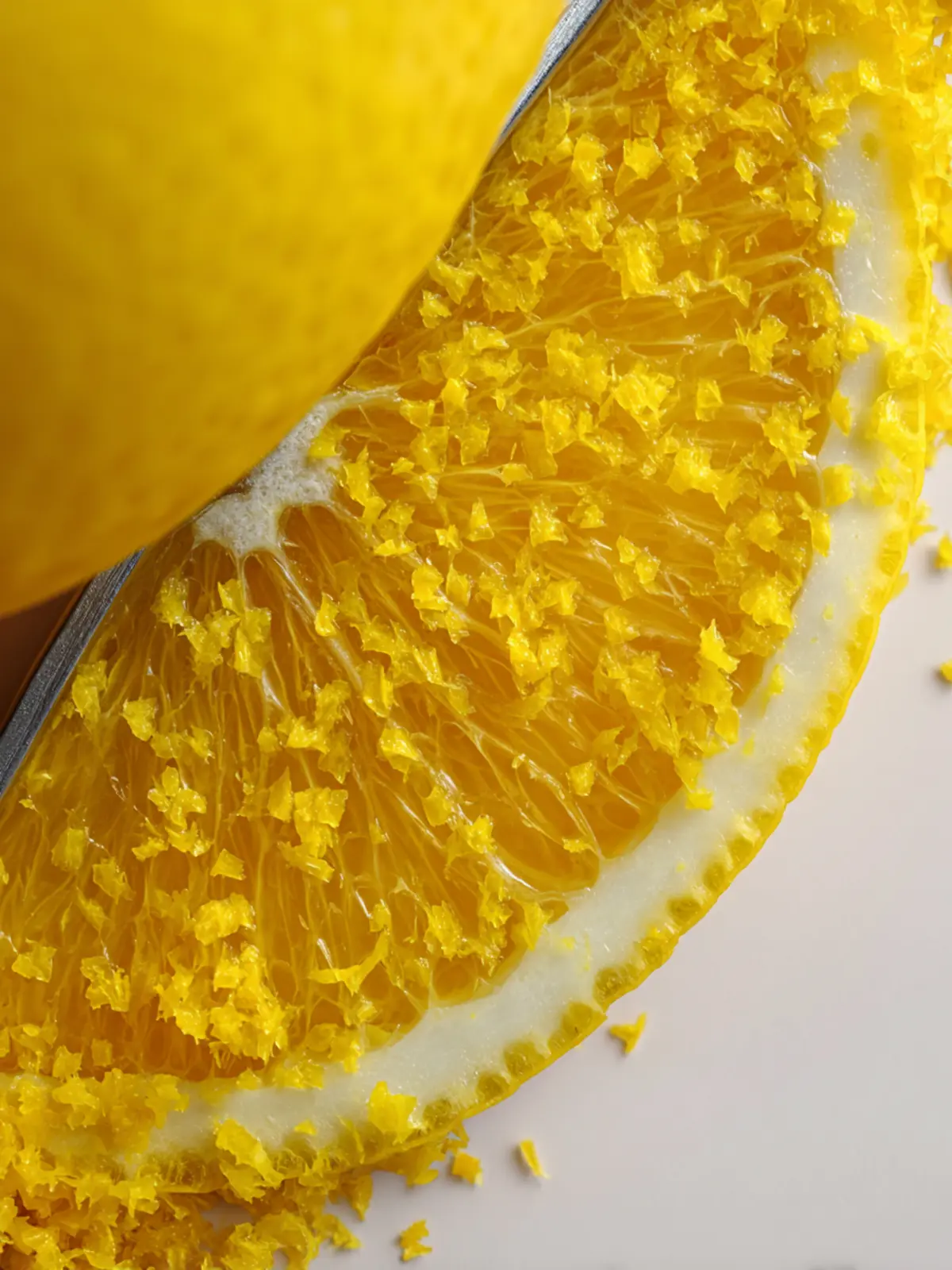
Serving Suggestions for Lemon Zest
Lemon zest is a powerhouse ingredient that adds a burst of flavor to both sweet and savory dishes. One memorable weekend, I discovered the joy of zesting lemons while preparing a refreshing lemon tart for friends gathering. The zesty aroma filled my kitchen and set the tone for a vibrant culinary experience.
Enhancing Your Dishes
-
Baked Goods: Incorporate lemon zest into your cookie or cake batter for a lively twist. It uplifts flavors in recipes like lemon scones or even a simple vanilla cake, transforming the ordinary into something extraordinary.
-
Dressings and Marinades: Add lemon zest to salad dressings or marinades for fish or chicken. The zest balances richness and can brighten up the flavors in dishes like grilled salmon or a classic Caesar salad.
-
Beverages: Use lemon zest to enhance your cocktails or refreshing beverages. A dash of zest elevates the taste of homemade lemonade or adds complexity to a gin and tonic.
-
Vegetables and Grains: Toss roasted vegetables with lemon zest just before serving. The zest brings fresher tastiness to dishes like quinoa or farro salads.
Incorporating lemon zest thoughtfully into your recipes can enhance flavors and create a memorable culinary experience for you and your guests.
Time Breakdown for Zesting
Preparation Time
Zesting a lemon is a quick and delightful process. You’ll need about 5 minutes to gather your tools and zest the lemon. It’s surprisingly satisfying to create that fragrant pile of zest!
Total Time
Overall, the entire zesting process will take about 5 minutes. This simple technique brings a burst of citrus flavor into your dish, elevating your culinary creations without eating into your day. It’s just the right amount of time to infuse your recipes with that vibrant lemony essence!
Nutritional Facts of Lemon Zest
Understanding the nutritional benefits of lemon zest can add a bit of zest to your culinary repertoire! This little powerhouse not only enhances flavors but also contributes to your overall well-being.
Calories
When pondering how to zest a lemon, you’ll be pleased to know that a tablespoon of lemon zest contains approximately 3 calories. This makes it a guilt-free addition to your recipes that adds both flavor and vitality.
Vitamins
Lemon zest is rich in vitamins, particularly Vitamin C and various B vitamins. Vitamin C boosts your immune system and promotes skin health, while B vitamins play a vital role in energy production. Including lemon zest in your dishes is an excellent way to elevate your vitamin intake without a calorie overload. Plus, the zesty aroma invigorates your cooking experience!
FAQs on How to Zest a Lemon
Zesting a lemon is a fantastic cooking technique that can elevate your dishes with just a touch of citrusy brightness. But if you’re new to the process or just want to refine your skills, you likely have some questions. Here’s a rundown of the most frequently asked questions on how to zest a lemon, providing you with insights and tips to zest like a pro.
What is the best way to zest a lemon without bitterness?
To avoid bitterness while zesting a lemon, focus on only taking the outer yellow layer of the peel. The white pith underneath can add an unpleasant taste. Using a microplane or a zester is an excellent choice because these tools allow for precise grating without hitting the pith. Start from the top of the lemon and zest downward, rotating the lemon for even coverage. This method ensures you capture all that aromatic lemon oil while steering clear of the bitter elements.
How can I use leftover lemon zest?
If you find yourself with leftover lemon zest after zesting for a recipe, don’t let it go to waste! Here are a few creative ideas:
- Infuse Sugar: Mix the zest into sugar for a citrus-flavored sweetener.
- Flavor Water or Teas: Add the zest to your drinking water or teas for a refreshing twist.
- Baking and Cooking: Use it in cakes, cookies, or savory dishes for added depth.
Can I zest a lemon in advance and store it?
Absolutely! Zested lemon can be stored. Here’s how:
- In the Fridge: Place the zest in an airtight container and refrigerate it for up to a week.
- Freezing: For longer storage, you can freeze the zest. Simply place it in a freezer-safe bag or container, and it’ll stay fresh for several months. When you need it, you can simply take out what you need, no thawing required!
Embracing these zesting techniques not only brings freshness to your culinary creations but also helps minimize waste in your kitchen. Happy zesting!
Conclusion on Zesting a Lemon
Mastering how to zest a lemon is a delightful skill that elevates your culinary creations. The zest packs a powerful punch of citrus flavor, making it a fantastic addition to both sweet and savory dishes. Remember to use a microplane or a fine grater to ensure you get just the aromatic peel without the bitter pith underneath. Keeping your zest fresh is easy—just store it in an airtight container in the fridge for a few days. So next time you find yourself with a lemon, don’t hesitate to zest it; your taste buds will thank you for the burst of brightness!
Print
Lemon Zest Preparation
- Total Time: 5 minutes
- Yield: 1 lemon zest 1x
Description
Learn how to zest a lemon perfectly for your recipes.
Ingredients
Scale
- 1 medium lemon
Instructions
- Using a microplane or box grater: run the lemon over the sharp edges, peeling away only the yellow skin.
- Using a peeler or knife: run the tool over the skin, cutting away just the yellow part.
- Mince as needed for your recipe.
- Beware the white pith – stop zesting when you see white.
Notes
- Zesting should only include the yellow skin for the best flavor.
- Prep Time: 5 minutes
- Category: Preparation
- Method: Zesting
- Cuisine: American
Nutrition
- Serving Size: 1 lemon