Follow Me On Social Media!

Homemade Italian Seasoning: The Best Blend for Flavorful Dishes

Introduction to Homemade Italian Seasoning
Creating your own homemade Italian seasoning is like capturing the sun-kissed hills of Tuscany in a jar. Imagine walking through a bustling Italian marketplace, surrounded by the vibrant colors and aromatic scents of fresh herbs. With just a few simple ingredients, you can bring that experience into your kitchen and transform your dishes with the captivating flavors of Italy.
One of the most rewarding aspects of making homemade Italian seasoning is the ability to customize it according to your taste. Unlike store-bought blends that often contain fillers and preservatives, your homemade version is pure, vibrant, and bursting with flavor. You get to choose the ratios and ingredients that reflect your personal preferences, ensuring that every dish you prepare is uniquely yours.
But what exactly goes into this delightful mix? Typically, you’ll find a combination of classic Italian herbs such as basil, oregano, thyme, and rosemary. Each one brings its own distinct personality to the blend, creating a harmonious balance that can elevate any meal. Whether you’re sprinkling it over a homemade pizza, stirring it into a hearty marinara sauce, or seasoning grilled vegetables, homemade Italian seasoning adds that authentic touch that takes your cooking to the next level.
What Makes Homemade Italian Seasoning So Special?
- Freshness: There’s an undeniable difference between fresh herbs and dried ones. When you create your own seasoning, you control how potent and aromatic the flavors are, which can transform the simplest dishes into extraordinary ones.
- Customization: Tailoring your seasoning allows you to experiment. Want more heat? Add crushed red pepper flakes. Prefer a sweeter profile? A touch of dried fennel can bring out those notes.
- Healthier Option: Making your own blend means you can avoid the additives and preservatives often found in commercial mixes, aligning with a more natural cooking philosophy.
As you embark on this flavorful journey, remember that the heart of Italian cooking is about simplicity and quality ingredients. Let your homemade Italian seasoning become a staple in your kitchen, providing a taste of Italy in every bite.
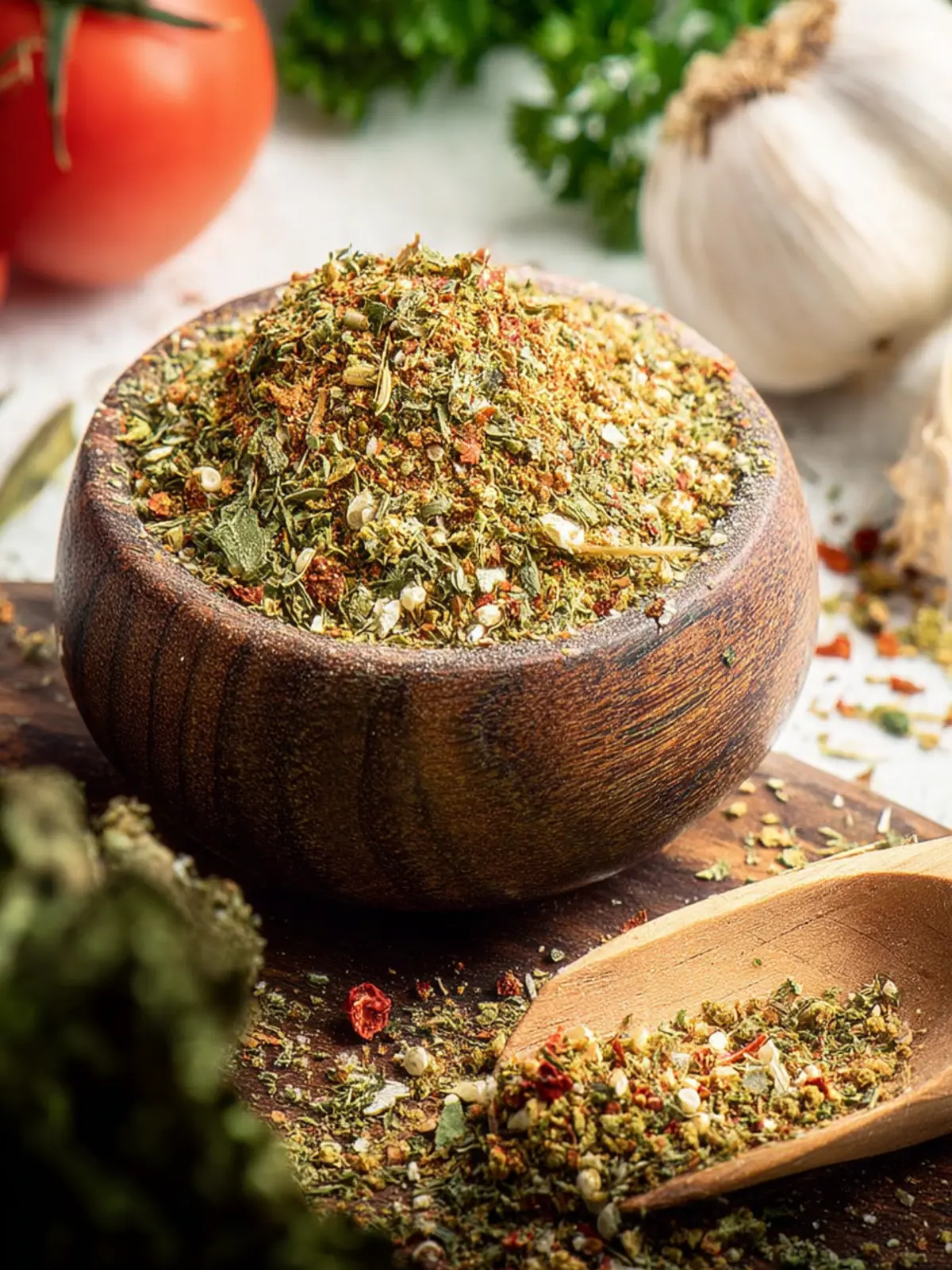
Key Ingredients for Homemade Italian Seasoning
Creating your own homemade Italian seasoning can transform the simplest of dishes into mouthwatering Italian delights. This blend isn’t just about the ingredients; it’s about crafting a personal recipe that resonates with your culinary style and taste. Here’s a breakdown of the key players in this flavorful ensemble:
-
Dried Oregano: A quintessential herb in Italian cuisine, dried oregano brings a warm, earthy aroma that perfectly complements pasta sauces and roasted vegetables. When selecting it, aim for high-quality, vibrant green oregano for the best flavor.
-
Dried Basil: Another staple, dried basil offers a slightly sweet and peppery taste that’s iconic in Italian dishes. Though fresh basil is delightful, dried basil provides a concentrated flavor that shines in marinades and dressings.
-
Garlic Powder: Although fresh garlic is delightful, garlic powder gives you that potent, straightforward garlic flavor without the hassle of peeling and chopping. It’s perfect for seasoning meats or adding depth to sauces.
-
Dried Parsley: Parsley adds a touch of color and a mild, slightly peppery flavor. It’s a fantastic finishing herb that can brighten up your dishes. Plus, it’s an excellent source of vitamins.
-
Crushed Red Pepper Flakes: A sprinkle of these flakes can take your homemade Italian seasoning from mild to vibrant. They add a subtle kick without overpowering the entire dish.
Mixing these ingredients in equal parts can yield a robust seasoning perfect for marinades, dressings, or pasta dishes. Make a batch and store it in a cool, dry place to have your own Italian flavor booster ready to enhance your meals!
Why You’ll Love This Recipe
Creating your own homemade Italian seasoning is a delightful journey into the heart of Mediterranean cuisine. Imagine the aroma of fresh herbs wafting through your kitchen, transporting you straight to a rustic Italian villa. This seasoning blend isn’t just a mix of dried herbs—it’s a way to elevate everyday meals into culinary adventures!
Versatility at Its Best
One of the most exciting aspects of homemade Italian seasoning is its versatility. Whether you’re tossing it into marinara sauce, using it in roasted vegetables, or seasoning grilled chicken, this blend adapts beautifully, bringing each dish a robust flavor profile. Plus, it’s effortless to whip up!
Freshness You Can Taste
When you make your own seasoning, you get to control the quality of the ingredients. You can use organic or even locally sourced herbs, ensuring every sprinkle enhances your meal. Unlike store-bought options, which often contain preservatives, your homemade mix bursts with freshness.
Health-Conscious Flavor
Crafting homemade Italian seasoning means you can avoid any unwanted additives. You’re in charge of every component—no fillers, just pure flavor. This aligns perfectly with a health-conscious lifestyle, making it an excellent choice for anyone wanting to eat better without sacrificing taste.
In short, the love you’ll have for this recipe stems from the fresh flavors, convenience, and health benefits it brings to your table. It’s a simple yet transformative addition to your cooking repertoire!
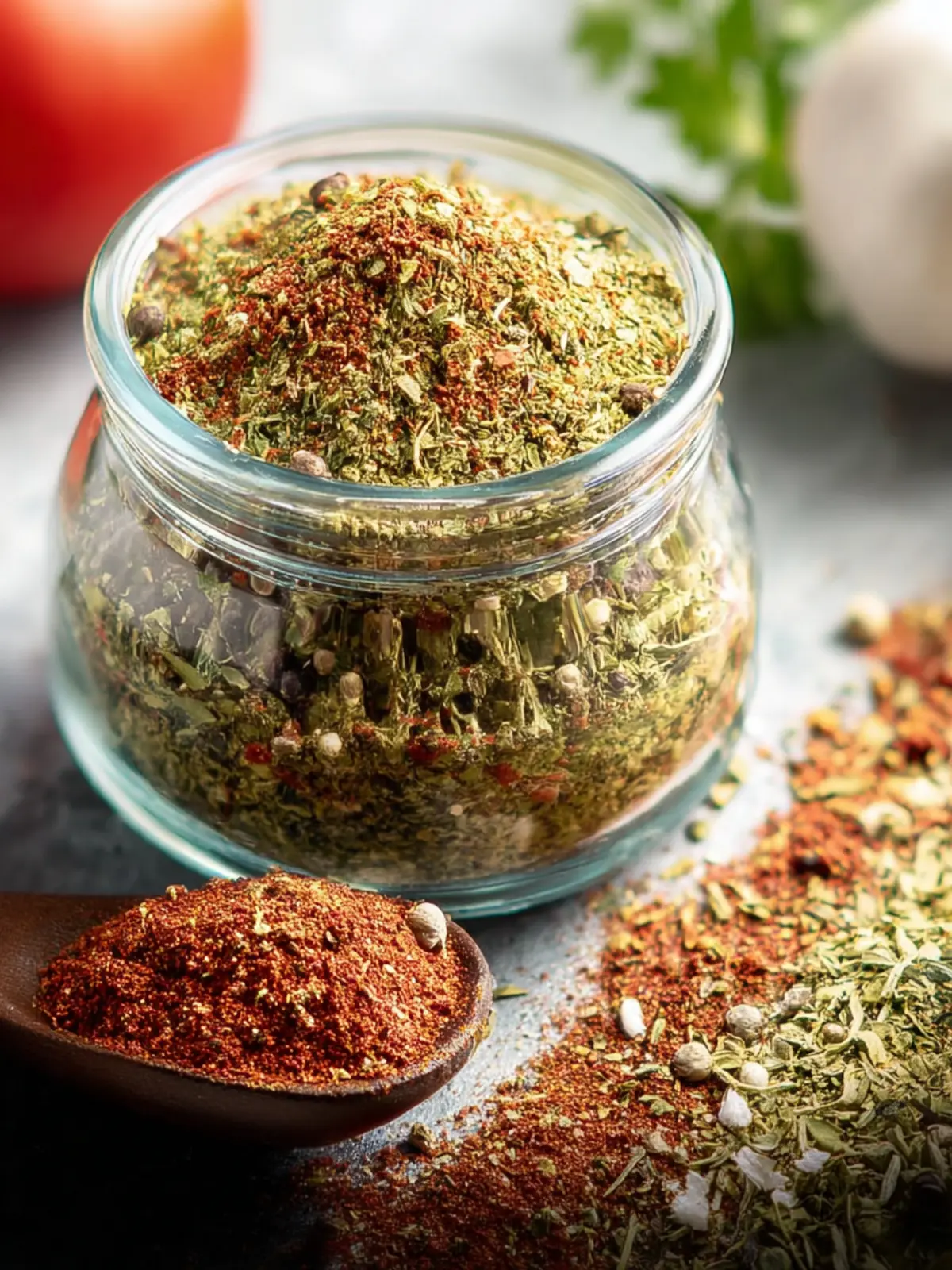
Variations of Homemade Italian Seasoning
Creating your own homemade Italian seasoning opens a world of culinary possibilities. You can easily customize the mix by incorporating various herbs and spices tailored to your taste. Here are some creative variations:
-
Herb Infusions: Experiment with adding dried herbs like basil or thyme for a stronger herbal note. Dried fennel can also provide an intriguing twist, reminiscent of Italian sausages.
-
Spicy Kick: If you love heat, consider mixing in crushed red pepper flakes or even cayenne pepper. These additions will elevate your seasoning, making it perfect for pizzas or spicy pasta dishes.
-
Zesty Twist: Add lemon zest or dried citrus peel to give your blend a fresh, zesty vibe. This is especially delightful in seafood dishes or light salads.
-
Smoky Flavors: For a unique flavor profile, try adding smoked paprika. It’s perfect for enhancing roasted vegetables or grilled meats, giving them a lovely depth.
Adjust your homemade Italian seasoning based on the dish you’re preparing, and watch how it transforms even the simplest meals into something extraordinary!
Cooking Tips and Notes for Homemade Italian Seasoning
Creating your own homemade Italian seasoning is not just about mixing dried herbs; it’s a delightful journey into flavors that can elevate your cooking. Here are some helpful tips to ensure your blend turns out perfectly.
Quality Matters
Start with fresh herbs. The potency of dried herbs diminishes over time, so always check expiration dates. If possible, buy in small quantities and store them properly to keep their flavors vibrant.
Personalize Your Blend
Feel free to adjust the ratios of herbs based on your taste preferences. If you adore basil, add a bit more. Love the heat? A pinch of red pepper flakes can spice things up!
Mixing Techniques
When combining your homemade Italian seasoning, use a mortar and pestle to crush the herbs gently. This enhances their aroma and potency, resulting in a sacramental seasoning for your dishes.
Remember, this seasoning is versatile and can be used in a variety of dishes, from pasta sauces to roasted vegetables. Enjoy experimenting!
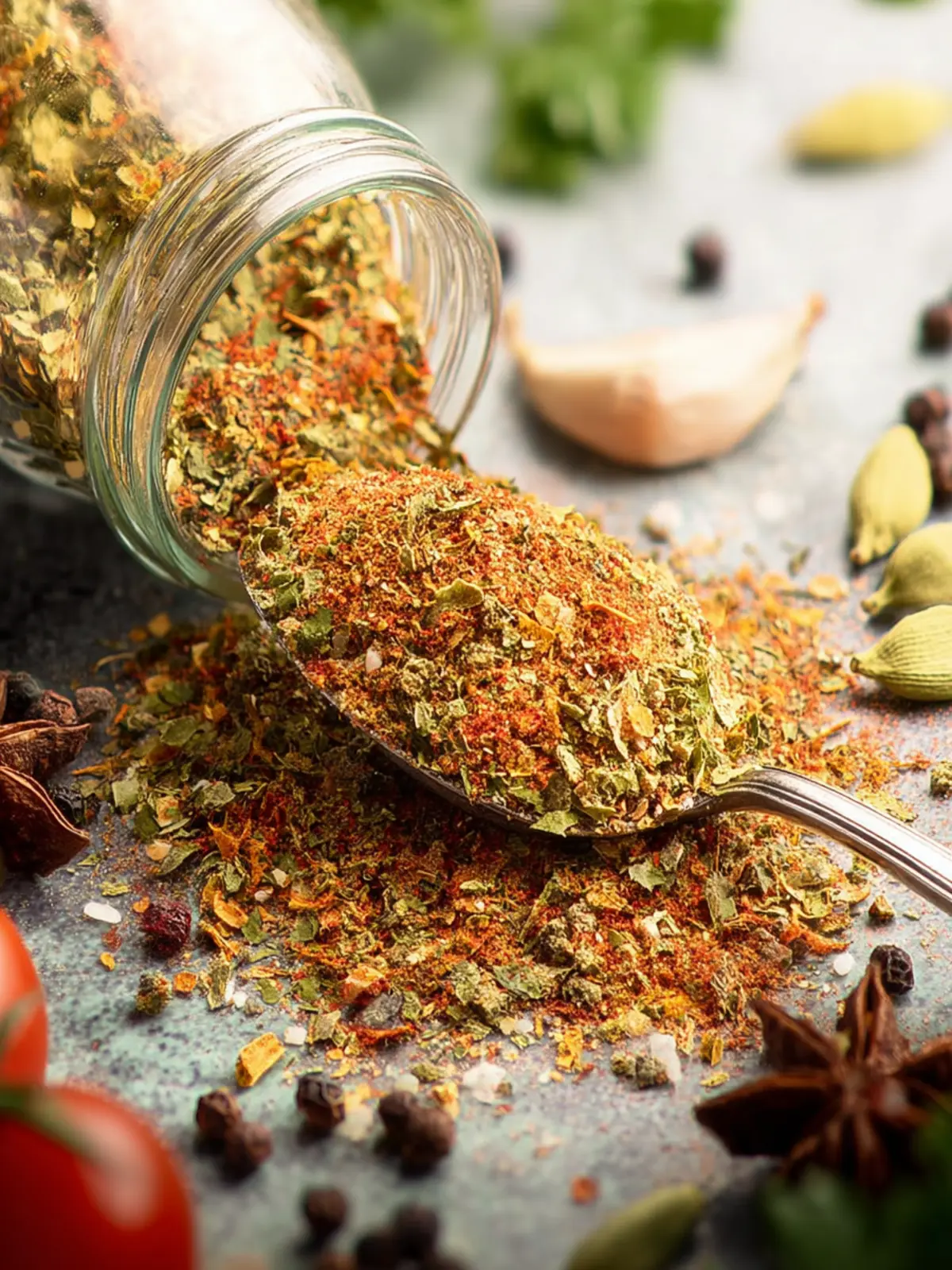
Serving Suggestions for Homemade Italian Seasoning
Bringing the flavors of Italy into your kitchen using your own homemade Italian seasoning is incredibly rewarding. Whether you’re dining solo or hosting friends, a sprinkle of this vibrant blend can transform a simple dish into something extraordinary. Here are some delightful ways to showcase your Italian seasoning:
-
Pasta Dishes: Blend it into your favorite pasta sauces or sprinkle it over steamed veggies for an aromatic boost. A hint of homemade Italian seasoning elevates classic marinara or creamy alfredo sauces to culinary bliss.
-
Grilled Proteins: Rub the seasoning onto chicken, pork, or fish before grilling. The herbs add a fragrant touch that complements the charred flavors beautifully.
-
Soups and Stews: Stir a teaspoon or two into your simmering soups or stews for depth. It works wonders in minestrone or vegetable soup, enhancing the overall taste.
-
Salad Dressings: Mix the seasoning with olive oil and balsamic vinegar for a zesty dressing. Drizzling this over a fresh salad makes for a delightful addition to any meal.
Use your homemade Italian seasoning liberally, and enjoy the rush of Mediterranean flavors in every bite!
Time Breakdown for Homemade Italian Seasoning
Creating your own homemade Italian seasoning is not just a fun culinary adventure; it’s also incredibly speedy! Here’s a breakdown of the time you’ll need to whip up this flavorful spice blend.
Preparation Time
Getting everything ready takes around 5 minutes. Simply gather your dried herbs and spices, and measure them out.
Total Time
From start to finish, you’ll need about 5 minutes to have your homemade Italian seasoning ready to go. That’s quicker than a ride to the store for store-bought options! Prepare this blend, and you’ll always have a burst of authentic Italian flavors on hand whenever you need it.
Nutritional Facts for Homemade Italian Seasoning
Creating your own homemade Italian seasoning not only enhances the flavor of your meals but also allows you to keep track of your nutritional intake. Here’s what you’ll find in this flavorful blend:
Calories
One teaspoon of homemade Italian seasoning typically contains about 6 calories. This low-calorie addition means you can enjoy burst of flavor without worrying about weighing down your dishes.
Sodium
With the beauty of making your own seasoning, you can control the sodium content as well. Generally, a teaspoon of homemade Italian seasoning contains around 1 milligram of sodium, making it a heart-healthy choice compared to many pre-packaged options, which can be loaded with salt. Enjoy your culinary creations with peace of mind!
FAQ about Homemade Italian Seasoning
Creating your own homemade Italian seasoning can open up a world of flavor, allowing you to customize each spice blend to your personal taste. Here are some frequently asked questions that can help you make the most of this delightful seasoning mix.
Can I use fresh herbs instead of dried?
Absolutely! While dried herbs are convenient and provide a concentrated flavor, fresh herbs can bring a vibrant, aromatic quality to your homemade Italian seasoning. If you choose to go the fresh route, simply use about three times the amount, since fresh herbs are less potent. Chop them finely and mix them in just before serving to preserve their flavor.
How long will the seasoning last?
When stored in an airtight container in a cool, dark place, your homemade Italian seasoning can last up to 6 months. However, it’s always best to check for freshness by smelling or tasting the mix. If the spices have lost their aroma or flavor, it’s time to make a new batch.
What dishes pair well with this seasoning?
Homemade Italian seasoning is incredibly versatile! Here are a few dishes that benefit from its rich flavor:
- Pasta: Toss it into marinara or garlic sauce for an instant upgrade.
- Grilled Vegetables: Sprinkle over veggies before grilling for a delicious side.
- Soups and Stews: Enhance the flavor profile of your soup or stew by adding a tablespoon or two.
- Meat Dishes: Rub onto chicken, pork, or beef before cooking for a savory crust.
Feel free to get creative with your seasoning – the possibilities are endless!
Conclusion on Homemade Italian Seasoning
Creating your own homemade Italian seasoning is a delightful journey that not only enhances your culinary skills but also brings a touch of Italy to your kitchen. With just a handful of dried herbs like basil, oregano, and thyme, you can easily whip up a customizable blend that suits your personal taste. Think about how this versatile mix can elevate your pasta dishes, pizza, or even marinades, turning simple meals into flavorful feasts.
By making your own seasoning, you control the quality and freshness, ensuring every bite bursts with authentic Italian flavor. So, gather your ingredients and let your creativity flow; you’ll never want to reach for store-bought seasoning again!
Print
Herb Seasoning Mix
- Total Time: 10 minutes
- Yield: about 1 cup 1x
- Diet: Vegetarian
Description
A flavorful blend of dried herbs perfect for seasoning dishes.
Ingredients
Scale
- 2 Tablespoons dried oregano
- 2 Tablespoons dried basil
- 2 Tablespoons dried parsley
- 1 Tablespoon dried thyme
- 1 Tablespoon dried rosemary
- 1 Tablespoon dried marjoram
- 1 teaspoon dried sage
- 1 teaspoon garlic powder
- 1 teaspoon red pepper flakes
Instructions
- To a lidded container (like a mason jar), add 2 Tablespoons dried oregano, 2 Tablespoons dried basil, 2 Tablespoons dried parsley, 1 Tablespoon dried thyme, 1 Tablespoon dried rosemary, 1 Tablespoon dried marjoram, 1 teaspoon dried sage, 1 teaspoon garlic powder, and 1 teaspoon red pepper flakes.
- Shake or mix until combined.
- Keep stored in a lidded container in an area away from sunlight, heat, and moisture for up to a year (best flavor if used within 6 months).
Notes
- Best if used within 6 months for optimal flavor.
- Prep Time: 10 minutes
- Category: Condiment
- Method: Mixing
- Cuisine: American
Nutrition
- Serving Size: 1 tablespoon
- Calories: 5
- Sugar: 0
- Sodium: 0
- Fat: 0
- Saturated Fat: 0
- Unsaturated Fat: 0
- Trans Fat: 0
- Carbohydrates: 1
- Fiber: 0
- Protein: 0
- Cholesterol: 0