Follow Me On Social Media!

Brown Sugar Substitute: The Best Ways to Sweeten Naturally

Introduction to Brown Sugar Substitute
Imagine you’re in the middle of baking a delightful batch of cookies, only to realize you’re out of brown sugar. The sweet, caramel-like flavor of brown sugar is essential in many recipes, but this shouldn’t stop your culinary creativity! A brown sugar substitute can save the day, allowing you to whip up those treats with similar depth and taste. Whether you’re creating desserts or savory dishes, knowing how to effectively replace brown sugar can be a game-changer in the kitchen.
Incorporating a brown sugar substitute into your recipes not only ensures you don’t skip a beat during your baking adventures but also broadens your understanding of flavor profiles. It’s fascinating to discover that we can replicate that wonderful moisture and sweetness using ingredients you may already have in your pantry. And let’s be honest: cooking on a whim often leads to delightful surprises, but being well-prepared enhances the experience.
What makes a brown sugar substitute so essential in the kitchen?
First and foremost, a brown sugar substitute ensures you can execute your delicious recipes even when you’re low on supplies. Brown sugar isn’t just about sweetness; it also plays a significant role in achieving that chewy texture in cookies and adding a rich depth to sauces and marinades.
You might wonder, why not just use regular granulated sugar? While it can be done, the distinct flavor and moistness of brown sugar add a unique touch that’s hard to replicate. Fortunately, there are several time-tested substitutes, like mixing white sugar with molasses or using coconut sugar. The key is finding that perfect balance of sweetness and moisture to keep your baked goods delectable.
Beyond the immediate practicality, this knowledge empowers you to customize dishes to your taste. If you prefer a lighter sweetness, experimenting with alternatives lets you fine-tune your creations. So next time you find yourself without brown sugar, remember you have options at your fingertips. With a little creativity, you can still create the delicious dishes you love!
Key Ingredients for Brown Sugar Substitute
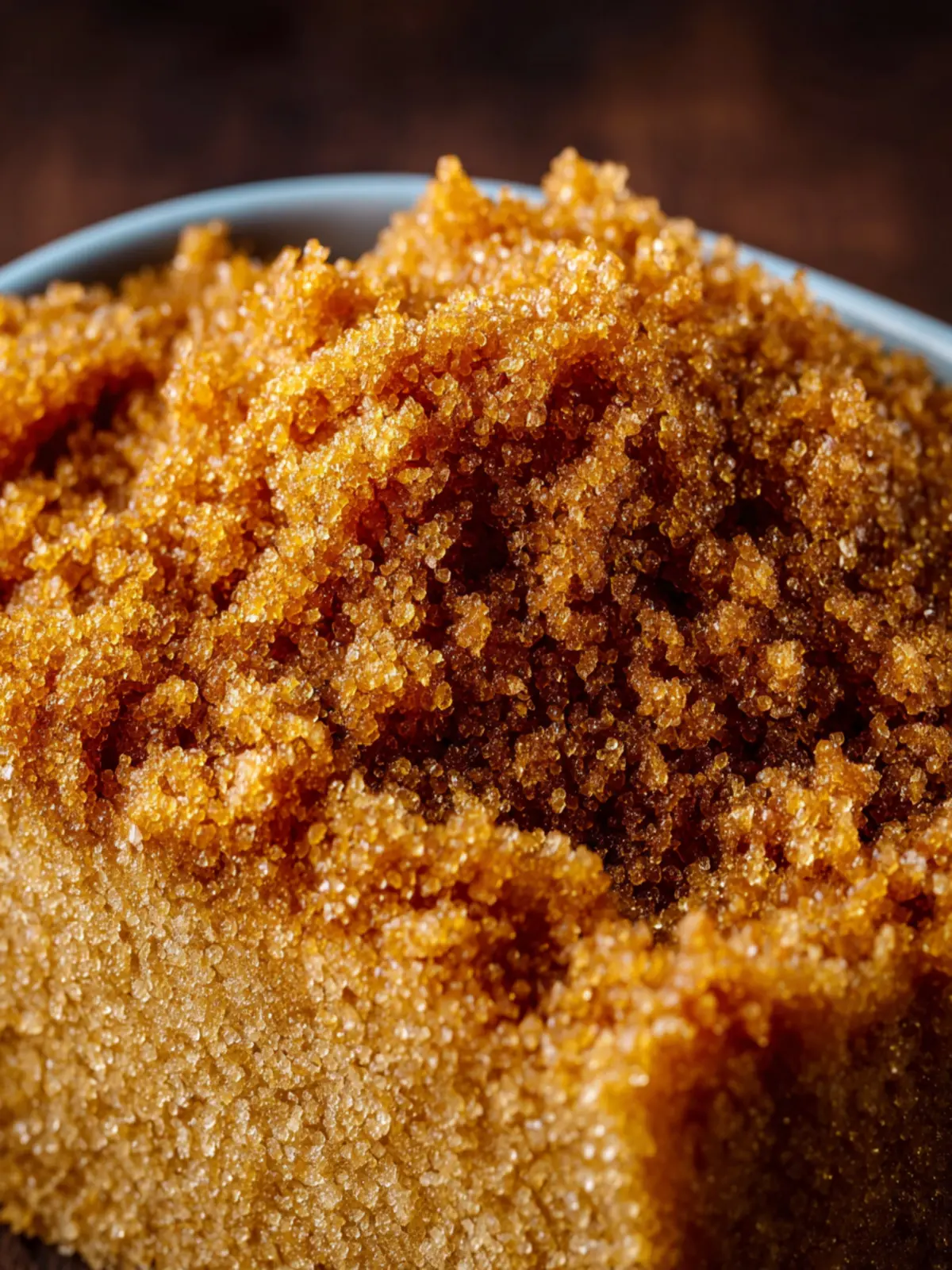
Creating a brown sugar substitute opens up the door to deliciously adaptable recipes without losing flavor. With a few simple ingredients, you can achieve that deep, molasses-rich taste we all love.
Granulated Sugar: The base of your substitute, granulated sugar, provides the necessary sweetness to mimic brown sugar’s profile. It’s readily available in most pantries, making it a convenient choice.
Molasses: This is the star of the show when it comes to flavor. Adding molasses to granulated sugar introduces that characteristic rich taste. For light brown sugar, mix one tablespoon of molasses with one cup of granulated sugar. For dark brown sugar, just add another tablespoon!
Vanilla Extract: Although optional, a splash of vanilla extract enhances the complexity of your brown sugar substitute. This little addition packs a punch and can elevate your baking even further.
By combining these ingredients, you can create a brown sugar substitute that’s not only easy to whip up but also versatile across various recipes, from cookies to marinades. Enjoy crafting your own!
Why You’ll Love This Recipe
Discovering a brown sugar substitute that not only enhances your dishes but also works wonders for your health is a game changer in the kitchen. Ever found yourself in the middle of a baking spree only to realize you’re out of brown sugar? You’re not alone; I’ve been there. But fret not! This recipe guides you through easy, accessible alternatives that deliver the same rich sweetness and depth.
What makes this recipe delightful?
- Versatility: The brown sugar substitute can fit seamlessly into various recipes, from baked goods to savory dishes, making it an all-around winner.
- Natural Ingredients: With options like honey, maple syrup, or coconut sugar, this recipe steers clear of artificial additives, allowing you to enjoy flavor without guilt.
- Health Benefits: Many substitutes contain more nutrients than traditional brown sugar. For instance, coconut sugar could help stabilize blood sugar levels, making it a thoughtful choice for health-conscious bakers.
Baking is meant to be fun and stress-free. By having a reliable brown sugar substitute in your culinary toolkit, you can whip up delicious treats without worry. Try it out, and I promise you won’t look back!
Variations of Brown Sugar Substitute
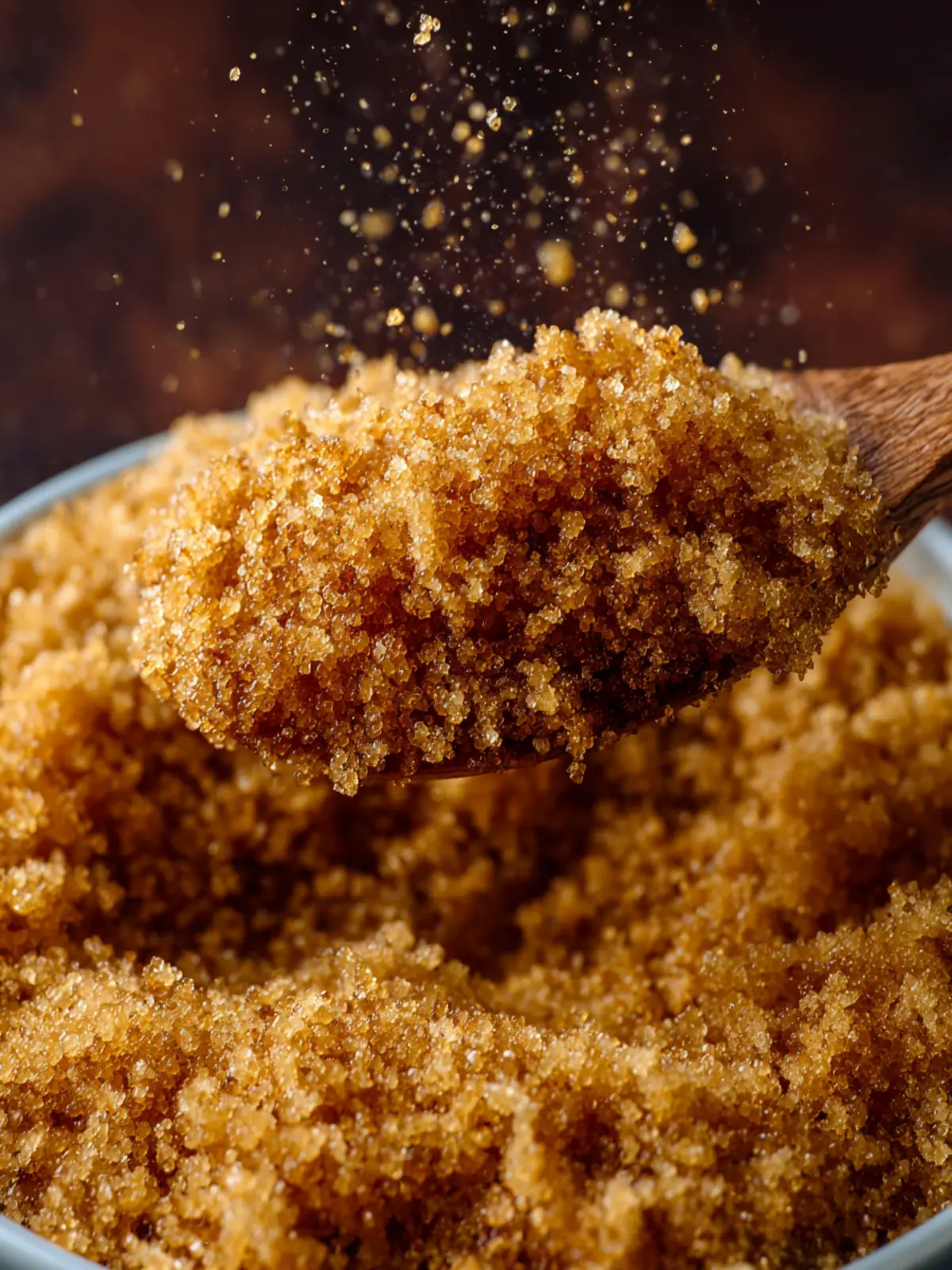
When it comes to creating a delicious dessert, a reliable brown sugar substitute can make all the difference. Imagine baking a batch of cookies with the warm, caramel notes of brown sugar, but you’ve run out! Don’t fret; there are several alternative options that can save the day.
Granulated Sugar & Molasses
A classic substitute for brown sugar is a mix of granulated sugar and molasses. For every cup of brown sugar needed, simply combine one cup of granulated sugar with one tablespoon of molasses. This mixture not only mimics the flavor profile of brown sugar but also provides that moisture we adore in baked goods.
Coconut Sugar
If you’re looking for a less processed option, coconut sugar is worth considering. It has a mild caramel flavor and works as a 1:1 substitute for brown sugar. Plus, it’s lower on the glycemic index compared to regular sugar, making it a healthier choice for those watching their blood sugar levels.
Agave Nectar or Honey
For a liquid alternative, both agave nectar and honey can stand in for brown sugar. Use approximately two-thirds of a cup for every cup of brown sugar. Bear in mind that this will alter the wet-to-dry ratio in your recipe, so you may need to adjust other liquid ingredients slightly.
Maple Syrup
Lastly, pure maple syrup is another delightful option. It offers a unique flavor twist and can be substituted in a 1:1 ratio as well. Just like with agave nectar, be mindful of the liquid amounts in your recipe.
Utilizing these brown sugar substitutes will keep your baking on track and ensure your treats are just as delightful!
Cooking Tips and Notes on Brown Sugar Substitute
Finding the perfect brown sugar substitute can be a culinary quest, especially when you’re in the middle of whisking up a batch of cookies or preparing a savory sauce. Not all swaps are created equal, and understanding how each alternative works in terms of taste and texture is essential. Here’s how to navigate this sweet challenge.
Understanding Your Options
The beauty of cooking lies in its flexibility. When seeking a brown sugar substitute, consider these options:
-
Granulated Sugar with Molasses: Blend one cup of granulated sugar with two tablespoons of molasses. This not only mimics the moisture of brown sugar but also replicates its characteristic caramel flavor.
-
Honey or Maple Syrup: These liquid sweeteners can be used in a 1:1 ratio, but remember to reduce other liquids in your recipe to maintain the right consistency. For instance, if you’re baking brownies, reducing eggs or milk slightly may be beneficial.
-
Coconut Sugar: This granulated option is an excellent natural sweetener, providing a similar taste and texture to brown sugar but with a lower glycemic index.
Practical Usage Tips
-
Flavor Adjustment: Make sure to taste-test your batter or sauce; the substitute may vary in sweetness.
-
Baking Time: Pay attention to changes in baking time, especially with liquid substitutes, as they can affect how quickly your dish cooks.
-
Store Properly: If you make blends, remember that these substitutes often don’t have the same moisture content as brown sugar, so they can dry out over time. Store them in an airtight container to preserve their quality.
By keeping these tips in mind, you can ensure your brown sugar substitute works perfectly in your recipe, every time!
Serving Suggestions for Brown Sugar Substitute
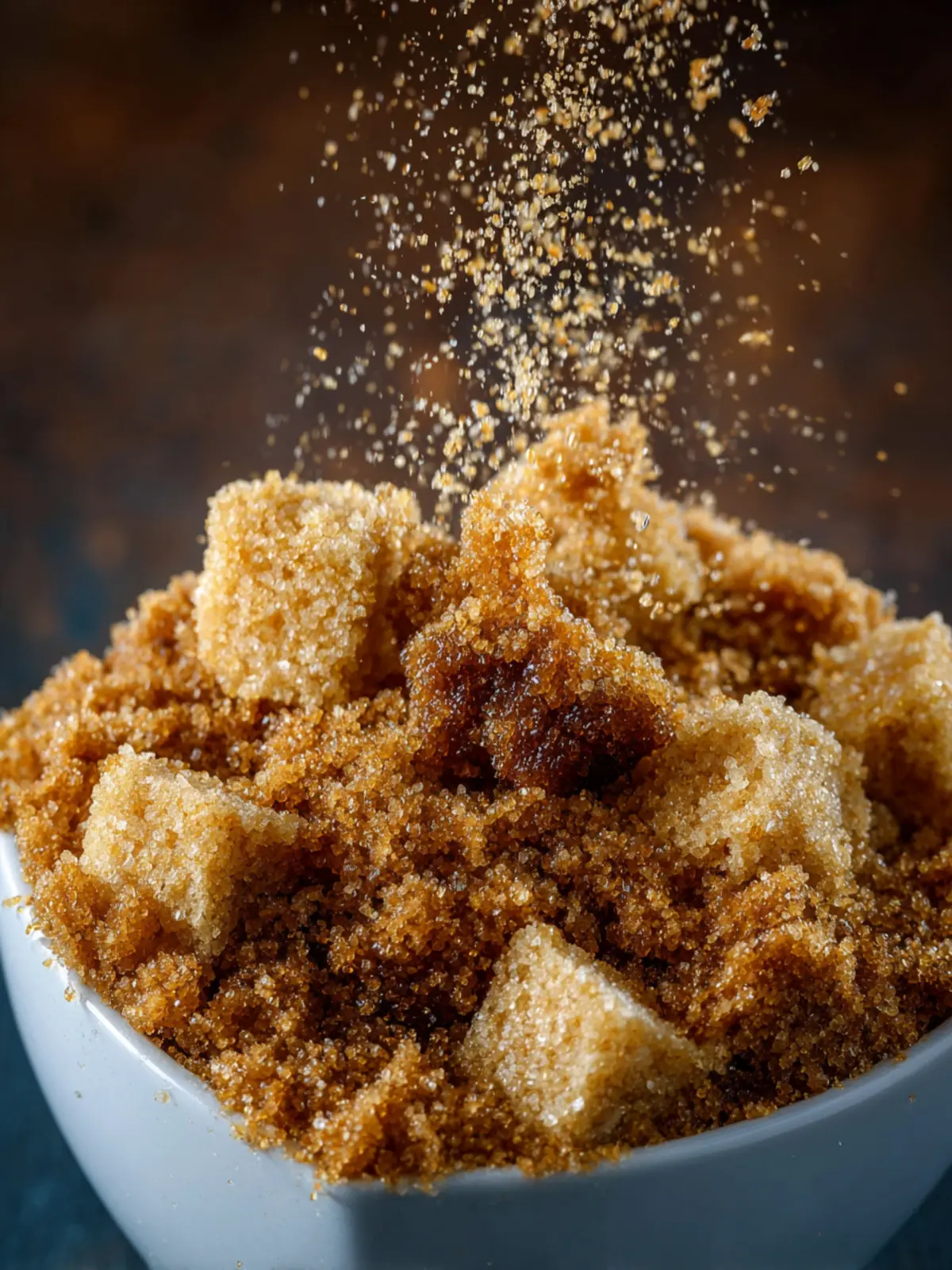
When you need a brown sugar substitute, creativity takes center stage! The perfect alternative can enhance your dish while still delivering that signature sweetness. Here’s how you can serve up irresistible flavors in a variety of ways.
Desserts and Baked Goods
- Cookies and Cakes: Swapping in a brown sugar substitute in cookie or cake recipes can bring a subtle depth. It pairs beautifully with chocolate cha and adds a rich, caramelized note to the final product.
- Crumble Toppings: Use your substitute in fruit crumbles or crisps. The sweetness from alternatives like maple syrup or coconut sugar can perfectly balance tart fruits.
Breakfast Delights
- Oatmeal and Pancakes: Stir your brown sugar substitute into oatmeal or drizzle it on pancakes for a naturally sweet breakfast. It works wonders with a sprinkle of cinnamon or fresh fruit to make the dish feel indulgent yet wholesome.
Savory Applications
- Glazes and Marinades: Create delightful glazes for meats or veggies. A touch of molasses mixed with your brown sugar substitute can add a hearty sweetness that perfectly complements roasted flavors.
Incorporating these suggestions will elevate your meals, proving that substitutes can shine just as brightly as the originals.
Time Breakdown for Using Brown Sugar Substitute
Creating the perfect dish often boils down to time management, especially when you opt for a brown sugar substitute. Understanding how long each step takes can make your cooking experience smoother and more enjoyable.
Preparation time
Begin by gathering your ingredients; this should take about 5 minutes. Measure your substitute carefully to ensure the right balance of sweetness.
Mixing time
Once your ingredients are ready, mixing typically takes around 10 minutes. Combine the brown sugar substitute with your other ingredients, ensuring they blend seamlessly.
Total time
In total, you’re looking at approximately 15 minutes of active time. From prepping to mixing, you’ll be well on your way to delicious outcomes in no time, without the hassle of traditional brown sugar!
Nutritional Facts of Brown Sugar Substitute
When crafting your favorite recipes, understanding the nutritional facts of brown sugar substitute can help you make informed choices. This guide breaks down the essentials.
Calories
A typical brown sugar substitute contains around 15 calories per tablespoon, making it a lighter option for those monitoring their caloric intake. This is notably lower than traditional brown sugar, which can help you enjoy sweetness without the extra calories.
Sugar Content
One of the most appealing aspects of a brown sugar substitute is its reduced sugar content. Many alternatives use natural sweeteners, boasting as little as 3-5 grams of sugar per serving compared to the 12 grams found in standard brown sugar. This is ideal for anyone looking to cut down on sugar consumption.
Other Nutrients
In addition to lower sugar levels, some brown sugar substitutes, like coconut sugar, can provide trace minerals such as iron and potassium. However, these nutrients are often present in minimal amounts. Overall, while the primary benefit lies in reduced calories and sugar, exploring your options can open the door to enjoying a modestly enriched diet!
By incorporating these insights into your cooking, you can relish the sweet taste of your dishes while being mindful of your health.
FAQ about Brown Sugar Substitute
Exploring brown sugar substitutes can open up a world of new flavors and textures in your baking. Whether you’re in a pinch or simply trying to reduce sugar intake, understanding the nuances of these alternatives is key.
Can I use other sweeteners with molasses?
Absolutely! While molasses is commonly paired with granulated sugar to create a brown sugar substitute, you can mix it with other sweeteners too. Honey or maple syrup can work surprisingly well. When substituting, aim for a 1:1 ratio, keeping in mind that molasses tends to bring a stronger flavor profile. Just adjust the overall liquid components of your recipe to maintain the right consistency.
How does a brown sugar substitute affect baking?
Using a brown sugar substitute can subtly change your recipe’s outcome. Brown sugar, with its moisture content from molasses, adds slight chewiness and richness. When using granulated sugar mixed with molasses, you’ll still achieve a similar flavor, although the texture might be less chewy. Typically, other sweeteners may not hold moisture, which could result in a drier final product. It’s a good idea to experiment with ratios to find what works best for your specific recipe.
Is brown sugar necessary for specific recipes?
You might be surprised to learn that brown sugar isn’t an absolute necessity in most recipes. While it does impart moisture and a unique flavor, many baked goods can thrive without it. Cookies, for instance, often turn out delightful even with granulated sugar, as long as you adjust your expectations regarding texture and taste. For recipes like barbecue sauces or marinades, you can easily swap it out without compromising the flavor too much.
Feel free to experiment; your creativity is the key!
Conclusion on Brown Sugar Substitute
In the world of baking, the perfect recipe often requires a touch of brown sugar substitute, and understanding your options can make all the difference. Whether you need a quick fix or are navigating dietary preferences, alternatives like coconut sugar, maple syrup, or a blend of granulated sugar with molasses can effectively mimic brown sugar’s unique flavor and moisture. It’s about experimenting and finding what works best for you and your palate.
Every bite should bring warmth and satisfaction, and with these substitutes, you won’t miss out on that delicious sweetness. Happy baking!
Print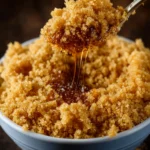
Sugar Molasses Mixture
- Total Time: 5 minutes
- Yield: 1 cup 1x
Description
This is a simple mixture of granulated sugar and molasses used in various recipes.
Ingredients
Scale
- 1 cup granulated sugar
- 1 tablespoon molasses
Instructions
- Stir together sugar and molasses with a fork.
- Use as directed in recipe.
Notes
- This mixture can be used to add moisture and flavor to a variety of baked goods.
- Prep Time: 5 minutes
- Category: Condiments
- Method: Mixing
- Cuisine: American
Nutrition
- Serving Size: 1 tablespoon
- Calories: 48
- Sugar: 12g
- Sodium: 1mg
- Fat: 0g
- Saturated Fat: 0g
- Unsaturated Fat: 0g
- Trans Fat: 0g
- Carbohydrates: 13g
- Fiber: 0g
- Protein: 0g
- Cholesterol: 0mg