Follow Me On Social Media!

Rose Syrup Bliss: Irresistibly Sweet & Fragrant Delights

Introduction to Rose Syrup
Imagine a warm summer evening, the sun just beginning to set, filling the air with a delicate sweetness. This is the essence captured in rose syrup, a fragrant elixir that brightens drinks and desserts alike. Originating from Middle Eastern traditions, where the delicate aroma of roses is celebrated, this syrup transforms simple dishes into a luxurious experience. Whether drizzled over pancakes or mixed into cocktails, rose syrup adds a unique botanical flavor that lingers on the palate.
What makes rose syrup so special?
One might wonder, what is it about rose syrup that turns heads and tantalizes taste buds? The answer lies in its harmonious blend of flavor, aroma, and versatility. Here’s what sets it apart:
-
Natural Essence: Made primarily from fresh rose petals, water, and sugar, rose syrup captures the floral notes of the blooms, creating a light and refreshing taste. It’s a reminder of blooming gardens and sunny afternoons.
-
Versatility: From sweetening tea and lemonade to drizzling on desserts like ice cream or yogurt, this syrup works wonders. It can also be used in savory dishes, adding a unique twist to dressings or marinades.
-
Cultural Significance: In many cultures, rose syrup is not just a flavor; it’s a symbol of love and celebration. It’s a staple in traditional drinks like Sharbat in the Middle East and Lassi in South Asia, further enriching its historical backdrop.
-
Health Benefits: Rich in antioxidants, rose syrup can be beneficial for your health — aiding digestion and boosting mood. Plus, its fragrant aroma is known to promote relaxation and alleviate stress, making it not just a treat but a holistic experience.
When you decide to embark on the journey of making your own rose syrup, prepare to immerse yourself in a sensory experience that ignites memories, evokes inspiration, and brings a touch of elegance to both everyday meals and special occasions. You’ll find that the process is as rewarding as the end product, making every drop of rose syrup feel like sunshine captured in a bottle.
As we dive into the recipe, get ready to discover how easily you can bring this enchanting flavor into your kitchen!
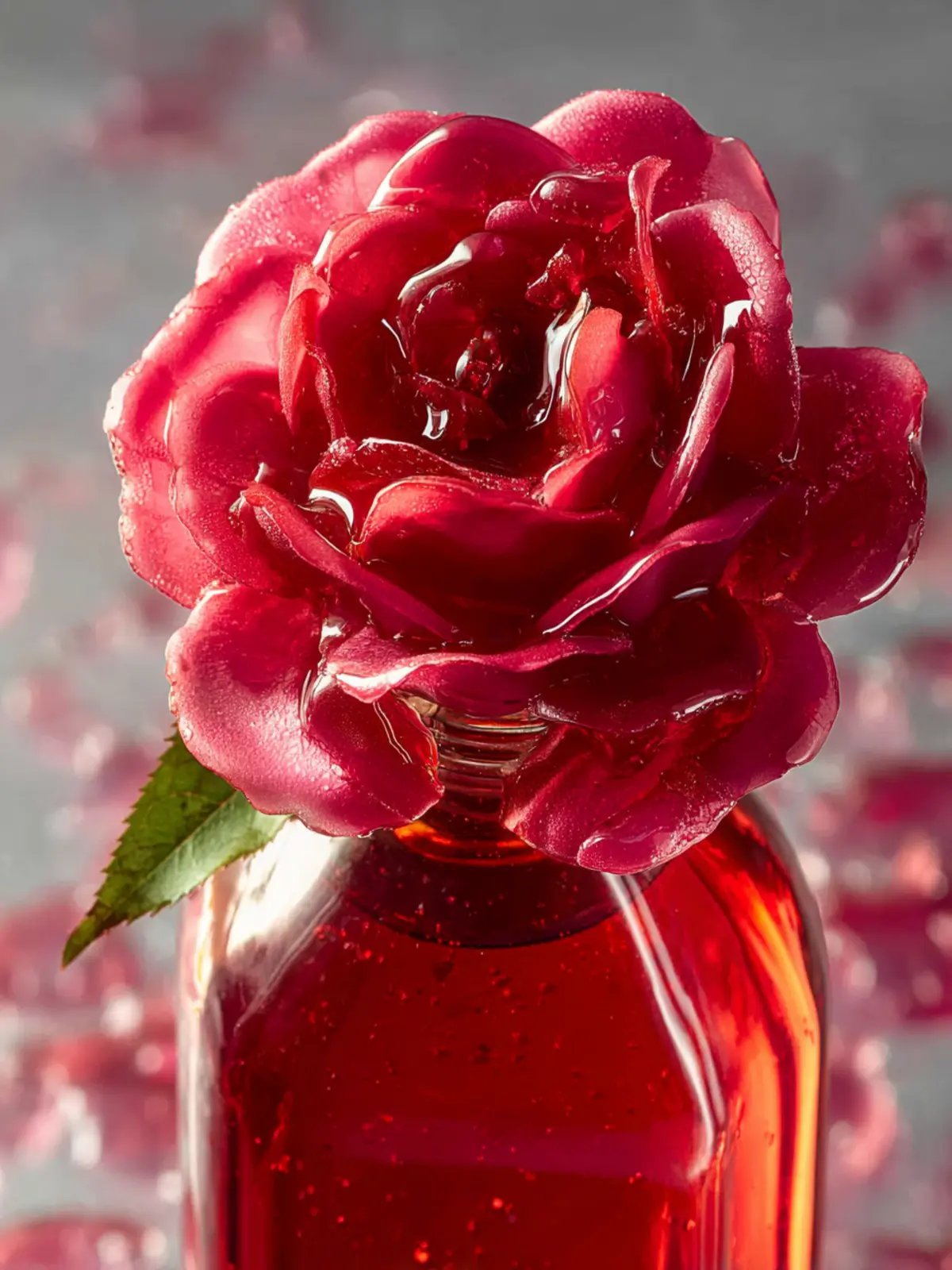
Key Ingredients for Rose Syrup
Creating your own rose syrup can transform any beverage into a fragrant delight. Each ingredient plays a crucial role in crafting a syrup that’s not only sweet but also infused with floral notes.
Roses: The star of the show! For the best flavor, fresh organic rose petals are ideal, as they provide a rich, authentic scent that dried petals can’t quite match. Look for varieties like damask or Turkish roses, known for their robust aroma. If fresh roses aren’t available, unsweetened dried rose petals can be used too.
Water: Clean, filtered water is essential for extracting the flavors from the rose petals. It helps to create a lovely base to which sugar can easily dissolve.
Sugar: I prefer granulated sugar for balancing the floral notes. The sugar not only sweetens the syrup but also helps to preserve it for a longer shelf life.
Lemon Juice: A splash of lemon juice brightens the syrup, adding a subtle tang that enhances the sweetness without overpowering the delicate flavor of the roses.
With these simple yet effective ingredients, your rose syrup will be ready to elevate everything from cocktails to desserts!
Why You’ll Love This Rose Syrup
In the heart of your kitchen, rose syrup captures the essence of summer blossoms, transforming ordinary drinks and desserts into extraordinary culinary delights. Imagine a drizzle of this aromatic sweetness over pancakes, cocktails, or even yogurt—each taste transporting you to a sun-soaked garden brimming with fragrant flowers. What truly sets this syrup apart is its delightful simplicity and unique flavor profile.
Here’s why you’ll adore making your own rose syrup:
-
Flavor Explosion: The subtle floral notes mixed with a bit of sweetness create a complex taste that’s hard to resist. This syrup can elevate everything from iced teas to gourmet desserts.
-
Versatility: Use it in beverages, drizzled over cakes, or in marinades for a new twist on your favorite recipes. The possibilities are endless; you’re only limited by your imagination.
-
Natural Ingredients: Crafted from simple ingredients, you can feel good about what you’re consuming. No artificial flavorings or preservatives, just pure, fragrant joy.
-
Quick and Easy: Whip up a batch in no time. This syrup is as simple to make as it is delightful to use.
By savoring rose syrup, you’re not just getting a sweet treat; you’re indulging in a little piece of culinary art, one drop at a time.
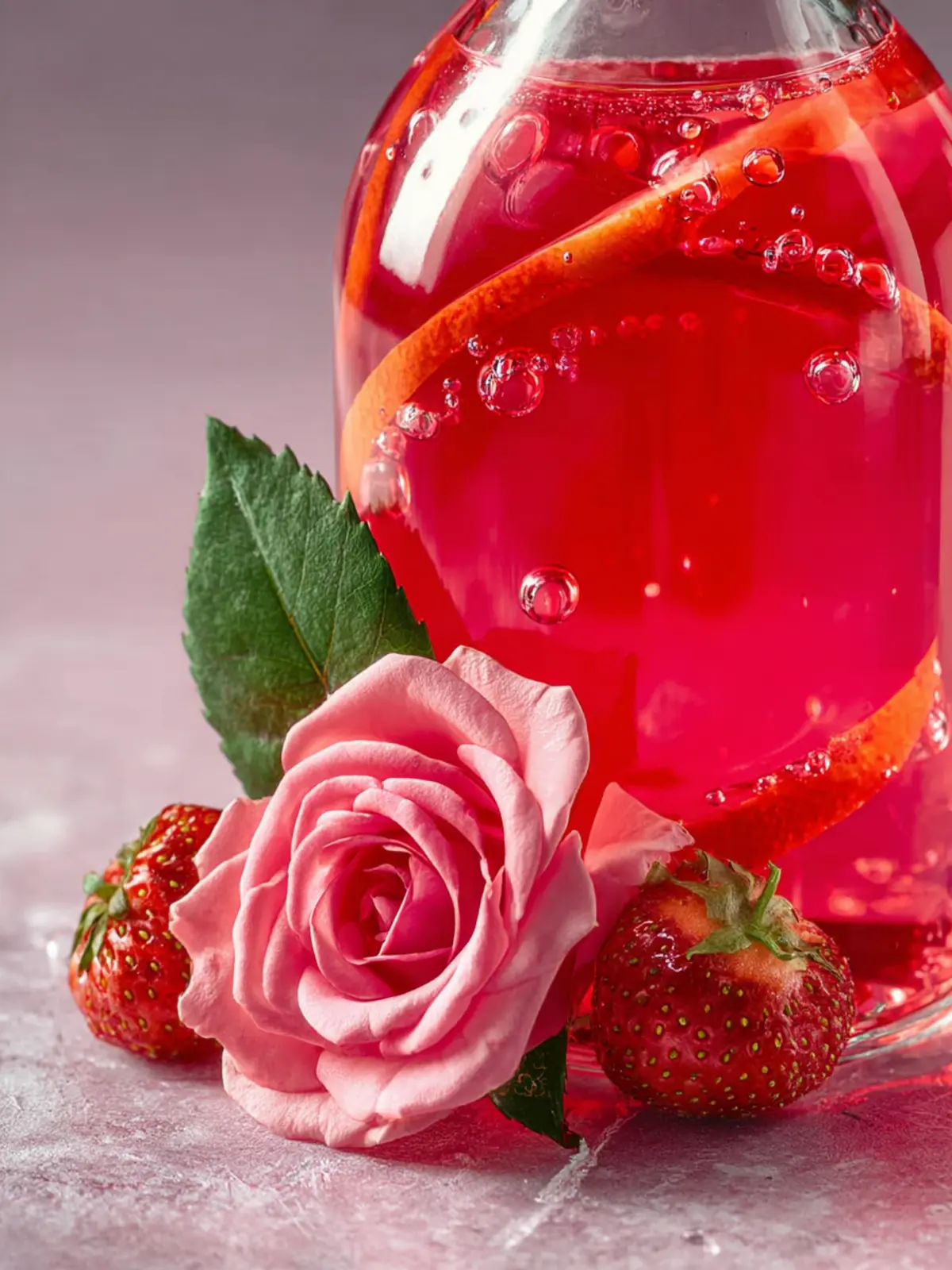
Variations of Rose Syrup
The beauty of rose syrup lies not just in its sweet, floral taste but also in the endless possibilities for variation. Whether you want to infuse a twist into a classic recipe or create a unique concoction, consider these delightful variations:
Citrus-Infused Rose Syrup
Adding citrus zest gives your rose syrup an invigorating kick. A few strips of lemon or orange peel steeped in the syrup not only brightens the flavor but also enhances the aroma, making it a fantastic addition to cocktails or desserts.
Spiced Rose Syrup
Turn your rose syrup into a fragrant delight by adding spices. A stick of cinnamon or a few whole cloves can introduce warmth to your syrup. This variation pairs beautifully with tea or as an unexpected drizzle over vanilla ice cream.
Lavender and Rose Syrup Fusion
For a truly luxurious experience, combine rose syrup with lavender. The delicate floral notes of lavender elevate the entire flavor profile, creating a lovely syrup perfect for cocktails or a simple spritz over scones.
Strawberry Rose Syrup
By blending fresh strawberries into your rose syrup, you can create a fruity twist that’s both vibrant and delicious. This blend works wonderfully in smoothies or as a topping for pancakes and waffles.
Experimenting with these variations not only enhances the flavor of your rose syrup but also allows you to express your creativity in the kitchen. Each option brings a new dimension to your culinary adventures!
Cooking Tips and Notes for Rose Syrup
Crafting your own rose syrup at home is a delightful journey that can elevate your culinary creations. Each step in the process is an opportunity to enhance the flavor, texture, and overall experience.
Choosing the Right Roses
Opt for organically grown, fragrant rose petals—preferably from Rosa damascena or similar varieties. These types not only produce a vibrant syrup but also ensure you’re using roses free from harmful chemicals. Remember, the aroma of the petals translates directly into the syrup’s flavor.
Sweetness Level
Adjusting the sugar content is crucial! If you prefer a less sweet syrup, start with half the amount of sugar and taste-test as you go. You can always add more later. This flexibility helps you find the perfect balance that suits your palate.
Water Quality
Using filtered or distilled water ensures that the flavors from the rose syrup shine through without interference from chlorine or other substances found in tap water.
Storage Tips
Once your syrup is ready, store it in a glass jar in the fridge. It should last for up to a month. For longer preservation, consider freezing it in ice cube trays. This way, you can easily add a splash of floral flavor to drinks and desserts whenever you like.
These tips will not only improve your rose syrup but also enrich your cooking journey. Embrace the process, and you’ll create something truly magical!
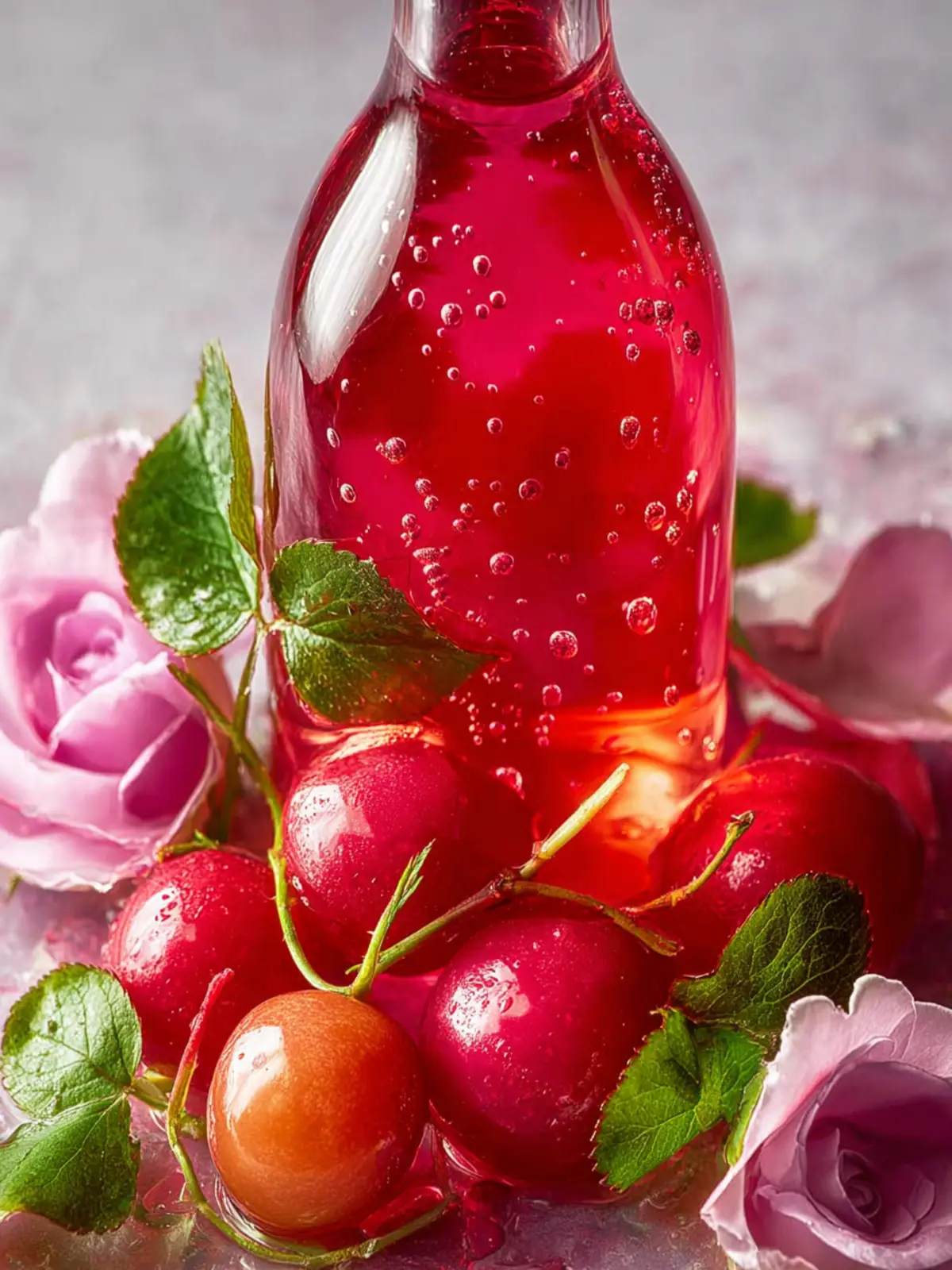
Serving Suggestions for Rose Syrup
Adding rose syrup to your culinary repertoire opens up a world of delightful possibilities. This fragrant concoction, reminiscent of a garden in full bloom, can elevate a variety of dishes and drinks. Imagine summer days, fresh breezes, and sweet flavors; that’s exactly what a splash of rose syrup can bring.
-
Refreshing Drinks: Mix rose syrup into your favorite beverages! Try adding a tablespoon to sparkling water for a floral soda that’s both refreshing and sophisticated. For a delightful iced tea, blend it with black or green tea, garnished with mint.
-
Dessert Drizzle: Consider drizzling rose syrup over desserts like panna cotta, yogurt, or vanilla ice cream. It offers not just sweetness but also elevates presentation with its beautiful color.
-
Savory Dishes: Incorporate rose syrup in savory dishes, like marinades for grilled chicken or lamb. Its floral notes can add a unique twist to your meals that’ll surprise and impress guests.
Each suggestion allows you to embrace the enchanting essence of rose syrup, enhancing both taste and experience!
Time Breakdown for Making Rose Syrup
Creating your own rose syrup is not only rewarding but also a delightful way to infuse your beverages and desserts with a floral flair! Understanding the timeline can help you plan effectively, so here’s a quick overview of how long it will take to craft this fragrant syrup.
Preparation Time
In just about 15 minutes, you can gather your ingredients and prepare your rose petals. It’s a lovely time to engage your senses, from the fragrance of fresh roses to the texture of the petals.
Cooking Time
Once everything is prepped, the actual cooking will take approximately 30 minutes. This is when the magic happens as the petals simmer with sugar and water, releasing their beautiful essence into the syrup.
Total Time
The entire process wraps up in about 45 minutes, from preparation to cooking. It’s a modest investment of time for a truly exquisite homemade rose syrup that you can enjoy in various delightful ways!
Nutritional Facts for Rose Syrup
Creating your own rose syrup not only adds a delightful touch to drinks and desserts but also keeps you informed about its nutritional profile. Knowing the nutritional values can help you make informed choices, especially if you’re health-conscious or managing dietary needs.
Calories
Each tablespoon of rose syrup contains approximately 50 calories. It’s a sweet addition that can enhance your culinary creations without overwhelming your daily calorie intake, making it a lovely treat.
Sugar Content
In this syrup, the sugar content is notably high, with about 13 grams of sugar per tablespoon. While this adds to the syrup’s delightful sweetness, it’s essential to enjoy it in moderation, particularly if you’re mindful of your sugar intake.
Shelf Life
Once homemade, your rose syrup can stay fresh for about 2 to 3 weeks when stored in an airtight container in the refrigerator. For best quality, aim to use it within this time frame, ensuring you continue to enjoy its vibrant flavors.
FAQs about Rose Syrup
Creating your own rose syrup can unlock a world of culinary possibilities, but it’s natural to have questions along the way. Here are some frequently asked questions to help you make the most of your homemade syrup.
Can I use different types of roses for the syrup?
Absolutely! While many people gravitate towards specific varieties like Damask roses for their fragrance and flavor, you can experiment with other types as well. Just be sure they are pesticide-free and safe for consumption. Some might prefer the slight variations in taste based on the rose variety; for instance, Nasturtium roses provide a more peppery and unique flavor profile. Whichever you choose, ensure they have a delightful aroma, as that will enhance your syrup.
How long does homemade rose syrup last?
Properly stored, your rose syrup can last for about 2 to 3 weeks in the refrigerator. To extend its shelf life, consider adding a bit of citric acid or lemon juice, which acts as a natural preservative. If you notice any changes in color or smell, it’s best to err on the side of caution and discard it. I recommend labeling your syrup with the date of preparation so you can keep track of its freshness.
Can I use rose syrup in cocktails or mocktails?
Certainly! Rose syrup is a wonderful addition to both cocktails and mocktails, adding a floral sweetness that can elevate your drinks. Consider mixing it into a sparkling water with a splash of lemon for a refreshing mocktail, or use it in cocktails like gin and tonic for a beautiful twist. The possibilities are endless—your imagination is the limit!
Conclusion on Rose Syrup
Crafting rose syrup is not just about flavor; it’s a journey of the senses. This vibrant, aromatic syrup brings a touch of elegance to your beverages and dessert creations. As we explored in the recipe, using fresh rose petals ensures the syrup bursts with authentic floral notes that remind you of warm, sun-soaked gardens.
To wrap up, here are a few things to keep in mind:
- Versatility: Rose syrup complements beverages like lemonade and cocktails beautifully.
- Storage: Keep your syrup in an airtight container in the fridge for up to two weeks.
- Experiment: Feel free to add your unique twist, whether it’s a dash of lemon or a hint of cardamom.
Make this syrup your go-to for adding sweetness and sophistication to any occasion!
Print
Rose Syrup
- Total Time: 15 minutes
- Yield: 1.5 cups 1x
- Diet: Vegetarian
Description
A fragrant and sweet rose syrup perfect for flavoring drinks and desserts.
Ingredients
Scale
- 1 ½ cups granulated white sugar
- 1 cup water
- ½ teaspoon rose water (or ½ cup edible dried or fresh rose petals or buds)
- Optional: natural red/pink food colouring
Instructions
- Stir the sugar, water and rose petals (if using rose water, add later) in a pot, bring to the boil, then reduce the heat to a simmer for 10 minutes.
- Remove from the heat, place a fine mesh strainer over a bowl and strain out and discard the rose petals. (If using rose extract, stir it in now.)
- Allow to cool. Taste, and if you like it stronger, stir in a little more rose water.
- Pour into a jar or bottle and keep in the fridge for up to 4 weeks.
Notes
- Store the syrup in the refrigerator for optimal freshness.
- Great for use in cocktails, desserts, or as a sweetener in beverages.
- Prep Time: 5 minutes
- Cook Time: 10 minutes
- Category: Syrups
- Method: Stovetop
- Cuisine: Mediterranean
Nutrition
- Serving Size: 2 tablespoons
- Calories: 40
- Sugar: 10g
- Sodium: 0mg
- Fat: 0g
- Saturated Fat: 0g
- Unsaturated Fat: 0g
- Trans Fat: 0g
- Carbohydrates: 10g
- Fiber: 0g
- Protein: 0g
- Cholesterol: 0mg