Follow Me On Social Media!

Nian Gao: Indulge in Chewy Mochi Cake for Good Fortune

Introduction to Nian Gao: Enjoy Chewy Mochi Cake That Guarantees Good Fortune
The moment you take your first bite of Nian Gao, you’ll find yourself enveloped in a delightful experience that goes beyond flavor. This chewy mochi cake, a traditional dish celebrated during Lunar New Year, is not only a treat for your taste buds but also a symbol of prosperity and good fortune. Originating from China, Nian Gao translates to “year cake,” implying growth and progress. The significance of this dish is tightly woven into celebratory customs, where families gather to share it as they usher in a hopeful new year.
What makes Nian Gao particularly special is its unique texture. Crafted from glutinous rice flour, this cake possesses a chewy consistency that contrasts beautifully with its subtly sweet flavor. Often enjoyed plain or with a delightful twist—like a crispy, fried exterior—this dessert offers endless possibilities for personal twists. Imagine the happiness of sharing a slice with friends, each piece embodying wishes of prosperity and auspicious beginnings.
What is Nian Gao and Why is it Special?
Nian Gao isn’t just another dessert; it’s a culinary tradition brimming with meaning. As families prepare to celebrate the New Year, making and gifting this cake becomes a gesture of love and hope. The chewy texture symbolizes the promise of resilience in the face of challenges—an attribute we all seek in our daily lives. Interestingly, many believe that consuming Nian Gao will invite wealth into their households, making it a must-have during festive gatherings.
This dish serves as a perfect example of how food transcends mere consumption and becomes a means of connection, expressing heartfelt wishes for loved ones. Imagine using the skills acquired while making Nian Gao to deepen bonds with friends or family. The simple act of preparation becomes a cherished memory, making the celebration all the more meaningful.
In the upcoming sections, we’ll delve into the ingredients and step-by-step instructions to create your very own Nian Gao. Whether you’re a seasoned cook or just starting your culinary journey, this recipe will leave you enchanted and eager to share your chewy mochi cake with those you love.
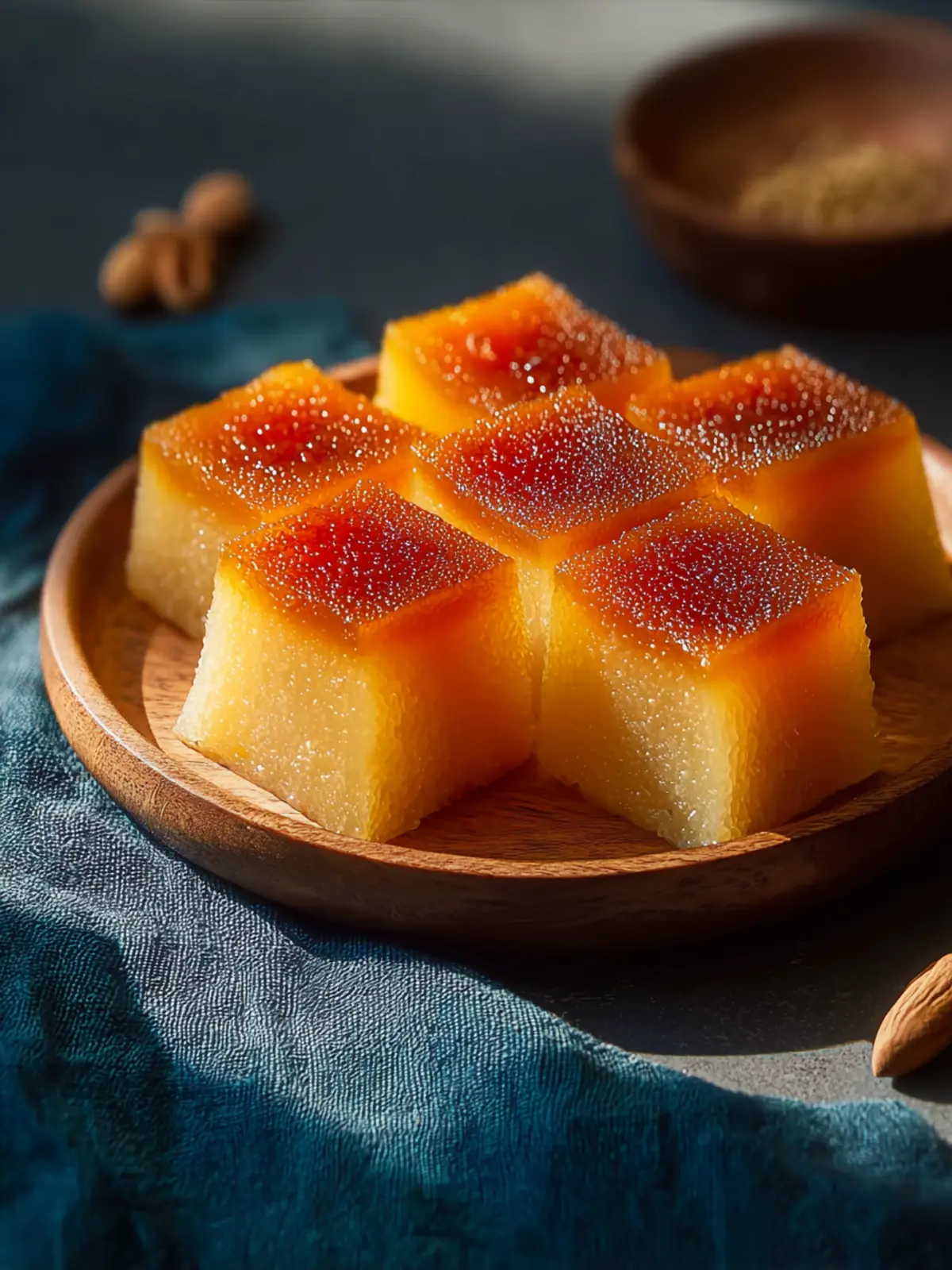
Key Ingredients for Nian Gao
Creating Nian Gao is all about the right ingredients, each playing a vital role in achieving that delightful chewy texture and rich flavor. Here’s a closer look at what brings this beloved mochi cake to life.
-
Glutinous Rice Flour: This is the heart and soul of Nian Gao. It’s crucial to opt for high-quality glutinous rice flour, as it provides that characteristic chewiness. Don’t confuse it with regular rice flour; it’s the glutinous variety that delivers the right consistency.
-
Water: Pure and simple, water is essential for achieving the perfect batter consistency. The amount you use can slightly vary depending on the humidity, so always check for that smooth, pourable texture.
-
Sugar: To balance the subtle nuttiness of the rice, sugar sweetens the cake beautifully. Using granulated sugar is common, but you can experiment with brown sugar for an added depth of flavor.
-
Vegetable Oil: Including oil gives the cake a moist, tender bite. It also prevents the cake from sticking to the pan, making your life easier when it’s time to remove it.
-
Optional Flavorings: While the classic version is delicious as is, consider adding options like coconut milk or a splash of vanilla extract for extra flavor depth.
Each ingredient plays an integral role in making Nian Gao, ensuring that each bite is soft, chewy, and undeniably satisfying!
Why You’ll Love This Recipe
Nian Gao is not just a dish; it’s a wonderful tradition that brings family and friends together, celebrating New Year and setting the tone for the year ahead. The moment you take that first bite of this chewy mochi cake, you’ll understand why Nian Gao is cherished in so many cultures. Here’s why you’ll love making this recipe.
Perfect for Every Occasion
This versatile treat shines whether you’re hosting a festive gathering, enjoying a quiet afternoon at home, or simply craving a unique dessert. The chewy texture and subtle sweetness make Nian Gao an unforgettable addition to any table. It’s particularly popular during Chinese New Year, symbolizing good fortune and prosperity.
One of the best things about Nian Gao is how easily it can be customized. You can adjust the sweetness, experiment with flavors, or even add fillings like red bean paste or nuts. The options are limitless! Plus, it’s naturally gluten-free, making it a good choice for various dietary preferences.
Imagine the delight on your guests’ faces as they savor each bite, sharing stories and laughter. This recipe not only satisfies your sweet tooth but also creates memories. So roll up your sleeves and dive into this delightful experience—you’ll be glad you did!
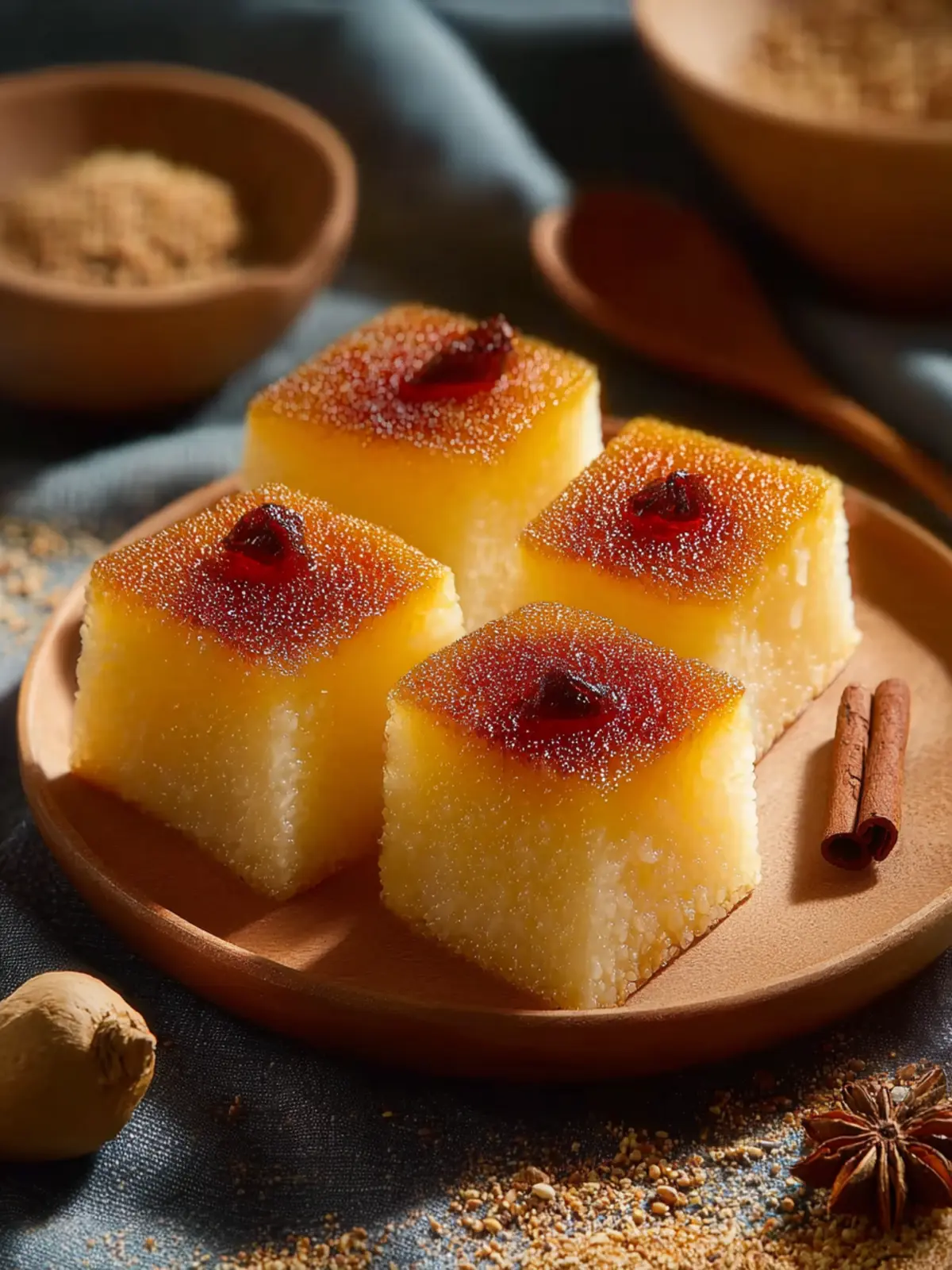
Variations of Nian Gao
Traditionally, Nian Gao is a symbol of prosperity and good fortune, but did you know that the variations of this delightful dish can expand your culinary adventure? Experimenting with different flavors turns this beloved mochi cake into a personal masterpiece.
Add Flavors and Twists
-
Sweetened Red Bean Paste: Mixing in sweetened red bean paste creates a delightful contrast while keeping the dish authentically Asian. The sweetness harmonizes beautifully with the chewy texture, making it a favorite among friends and family.
-
Coconut Milk: For those who crave a tropical twist, substituting part of the water in the recipe with coconut milk adds a rich, creamy flavor. This variation enhances the cake’s richness while providing an aromatic touch.
-
Matcha Powder: If you enjoy the earthy tones of green tea, consider adding matcha powder to your Nian Gao mix. Just a teaspoon can elevate the flavor profile, giving it a unique and elegant green hue.
-
Savory Options: Feel adventurous by incorporating ingredients like diced shiitake mushrooms or chopped scallions for a savory version. This twist gives the dessert a whole new identity, suitable for any meal.
By exploring these variations, you not only celebrate the spirit of Nian Gao but also personalize this age-old recipe to suit your taste. Which twist will you try first?
Cooking Tips and Notes for Nian Gao
Creating the perfect Nian Gao—that delightful chewy mochi cake—is both an art and a science. As you embark on this culinary journey, a few tips can help ensure a joyful outcome, rich in flavor and texture.
Ensure Perfect Texture and Flavor
-
Choose Quality Ingredients: Start with high-quality glutinous rice flour. This key ingredient is the foundation of your Nian Gao. Avoid alternatives, as they can affect the texture significantly.
-
Water Temperature: Use cool, filtered water when mixing the flour. This will help maintain the integrity of the dough, ensuring it remains chewy yet tender.
-
Steam, Don’t Bake: The authentic preparation of Nian Gao involves steaming rather than baking. This method preserves that signature chewy texture which makes it so enjoyable.
-
Don’t Rush the Process: Allow your batter to rest for about 30 minutes before steaming. This trick enhances both flavor and texture by letting the ingredients meld together beautifully.
-
Experiment with Fillings: Traditional Nian Gao is delicious on its own, but consider adding ingredients like red bean paste or sesame for an added flavor dimension.
By following these handy tips, you’re not just making Nian Gao; you’re crafting a slice of tradition filled with good fortune and happiness. Enjoy the process and savor the sweet results!
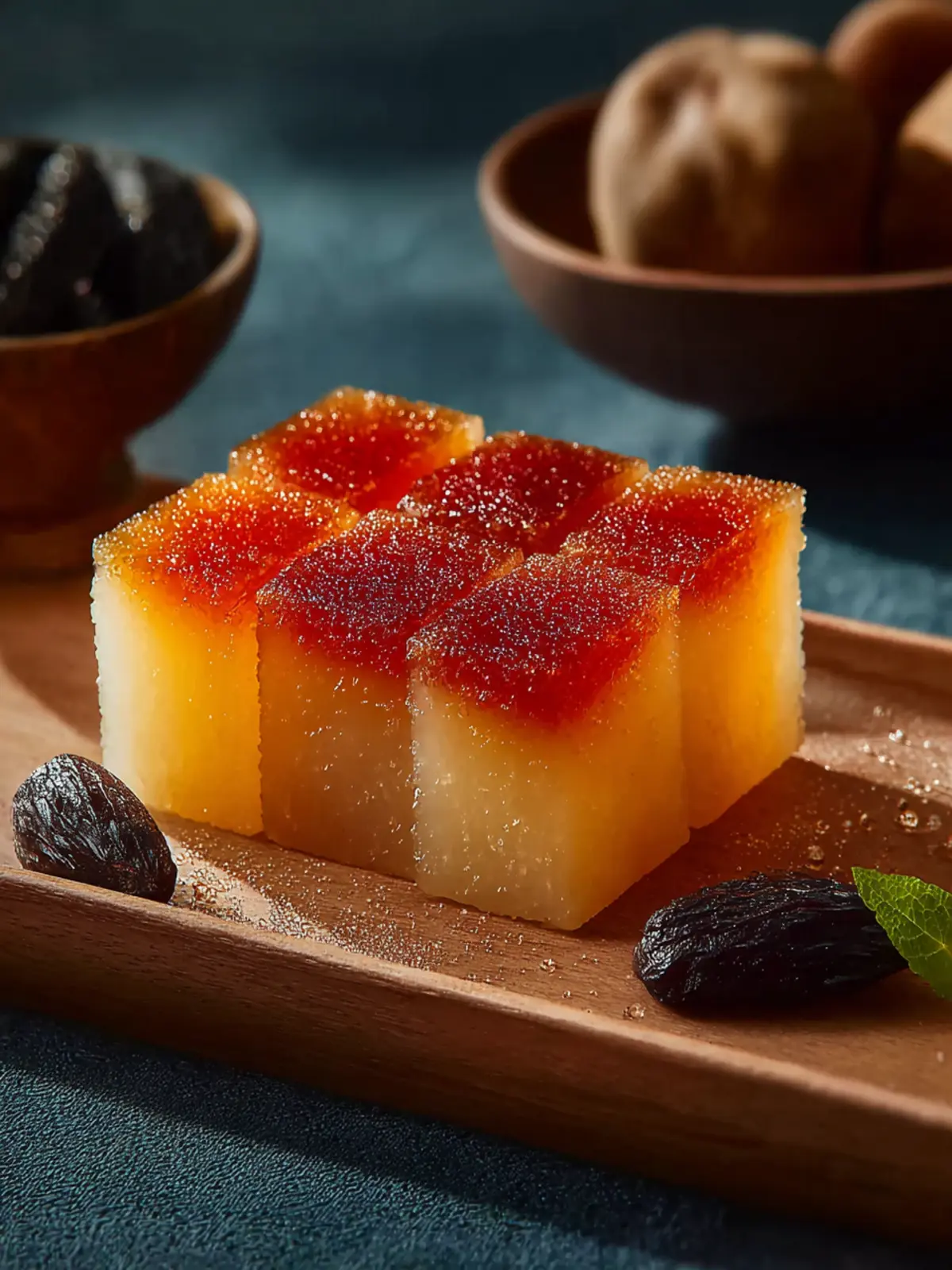
Serving Suggestions for Nian Gao
When it comes to Nian Gao, this traditional Chinese New Year delicacy isn’t just about the chewy texture; it’s a versatile dish that can be enjoyed in numerous ways. This glutinous rice cake holds a special place in many hearts, often symbolizing prosperity and good fortune.
Enjoy it your way
-
Sweet Treats: Slice Nian Gao and pan-fry it until golden brown for a delightful breakfast or snack. The crispy edges contrast beautifully with the chewy interior. Serve it drizzled with honey or maple syrup for a sweeter twist!
-
Savory Combinations: Try using Nian Gao in savory dishes! Incorporating sliced Nian Gao into stir-fries with vegetables and proteins like shrimp or chicken creates a delicious meal that’s quick and satisfying.
-
Creative Variations: Consider adding fruits like bananas or strawberries for a fresh take. They enhance the dish’s natural sweetness while adding vibrant colors.
-
Traditional Touches: Serve Nian Gao with a side of osmanthus syrup or a sprinkle of toasted sesame seeds for that authentic touch.
With so many ways to enjoy Nian Gao, you’re sure to find your favorite. What unique spin will you put on yours?
Time Breakdown for Nian Gao
Creating Nian Gao is not only a culinary journey but also a lovely way to welcome good fortune into your home. Here’s how to plan your time efficiently to achieve that perfectly chewy mochi cake.
Preparation Time
The prep for this delightful dish takes about 20 minutes. During this time, you’ll combine your ingredients and prepare your steamer or baking dish.
Baking Time
Baking Nian Gao requires approximately 45 to 60 minutes. This slow cooking process ensures the texture reaches that chewy perfection you crave.
Total Time
In total, you can expect to spend around 1 hour and 20 minutes from start to finish. Set aside this time, gather your loved ones, and enjoy the rewarding experience of making this traditional cake!
Nutritional Facts for Nian Gao
Nian Gao, the beloved glutinous rice cake, is not only a delicious centerpiece for any celebration but also packs some nutritional highlights worth noting.
Calories
One serving of Nian Gao contains approximately 230 calories. While it’s a rich treat, moderation can help you enjoy it guilt-free during festive occasions.
Protein
You can expect around 2 grams of protein per serving, which makes Nian Gao a relatively low-protein option. Pairing it with a protein-rich dish can balance your meal nicely.
Sodium
With just about 5 milligrams of sodium per serving, Nian Gao is low in salt, making it a heart-friendly option that allows you to enjoy a sweetness without excess sodium intake.
Nian Gao isn’t just a tasty dish; it’s a delightful experience that comes with a few nutritional perks, allowing you to enjoy good fortune and flavor in each bite.
FAQs about Nian Gao
Nian Gao, a traditional Chinese delicacy, is steeped in rich history and flavor. Many people are eager to explore its chewy texture and delicious taste but often have questions about how to make it even better. Let’s dive into some frequently asked questions to help you enjoy this delightful dish!
How can I make my Nian Gao chewier?
To achieve that perfect chewy texture in your Nian Gao, consider the following tips:
- Quality of rice flour: Use a premium sticky rice flour. The better the quality, the chewier the result.
- Water ratio: Adjust the water content slightly; too much can make it too soft, while too little can result in a dry texture. Start with the recommended amount and adjust based on your preferences.
- Steaming time: Ensure you’re steaming it for the right duration; undercooking can lead to a rubbery texture, while overcooking may dry it out.
Can I store Nian Gao for later?
Absolutely! Nian Gao can be stored for future enjoyment. Here’s how:
- Refrigerate: Wrap it tightly in plastic wrap or an airtight container and keep it in the fridge for up to a week.
- Freeze: For longer storage, you can freeze Nian Gao. Slice it into portions before freezing to make it easier to thaw later. When you’re ready to eat, steam or pan-fry the slices directly from the freezer for a delightful meal.
What are some common toppings for Nian Gao?
Toppings can elevate your Nian Gao experience! Popular options include:
- Grated coconut: Adds a tropical, refreshing sweetness.
- Sugar syrup: Drizzling it on enhances the overall flavor.
- Savory sauces: Try mixing it with soy sauce, garlic, or chili oil for a savory twist.
Embracing these suggestions will not only help you craft perfect Nian Gao but also make your culinary experience more enjoyable!
Conclusion on Nian Gao
Celebrating with this delicious cake is a fantastic way to embrace tradition while enjoying a truly unique dessert. Nian Gao, with its chewy texture and subtly sweet flavor, embodies the spirit of good fortune, making it a must-have for festive occasions. As you slice into this delightful mochi cake, think of all the cherished moments it can bring—shared laughter with friends and family, and the excitement of a new year. You deserve a slice of happiness, so why not indulge in Nian Gao today? Its rich history and incredible taste make each bite truly special, sure to bring you joy and prosperity.
Print
Chewy Coconut Rice Cake
- Total Time: 50 minutes
- Yield: 16 squares 1x
- Diet: Gluten-Free
Description
A delicious chewy coconut rice cake that is easy to make and full of flavor.
Ingredients
Scale
- 2 cups Glutinous Rice Flour
- 1 cup Sugar
- 3 large Eggs
- 1 cup Coconut Milk
- 1 teaspoon Baking Powder
- 4 tablespoons Butter
- to taste Optional Flavorings (vanilla, sesame, citrus zest)
Instructions
- Preheat your oven to 350°F (175°C) and generously grease a baking dish.
- Whisk together the eggs and sugar in a large mixing bowl until well combined.
- Mix in the melted butter or oil, followed by the coconut milk.
- Combine the glutinous rice flour and baking powder gradually.
- Pour the batter into your prepared baking dish. Bake for about 30-35 minutes.
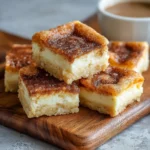
- Cool the cake for 10-15 minutes before slicing it into squares.
Notes
- For added flavor, consider using different optional flavorings based on your preference.
- Prep Time: 15 minutes
- Cook Time: 35 minutes
- Category: Dessert
- Method: Baking
- Cuisine: Asian
Nutrition
- Serving Size: 1 square
- Calories: 180
- Sugar: 10g
- Sodium: 90mg
- Fat: 8g
- Saturated Fat: 5g
- Unsaturated Fat: 2g
- Trans Fat: 0g
- Carbohydrates: 22g
- Fiber: 1g
- Protein: 3g
- Cholesterol: 55mg