Follow Me On Social Media!

Yorkshire Pudding: The Best Comfort Food You’ll Crave Forever

Introduction to Yorkshire Pudding
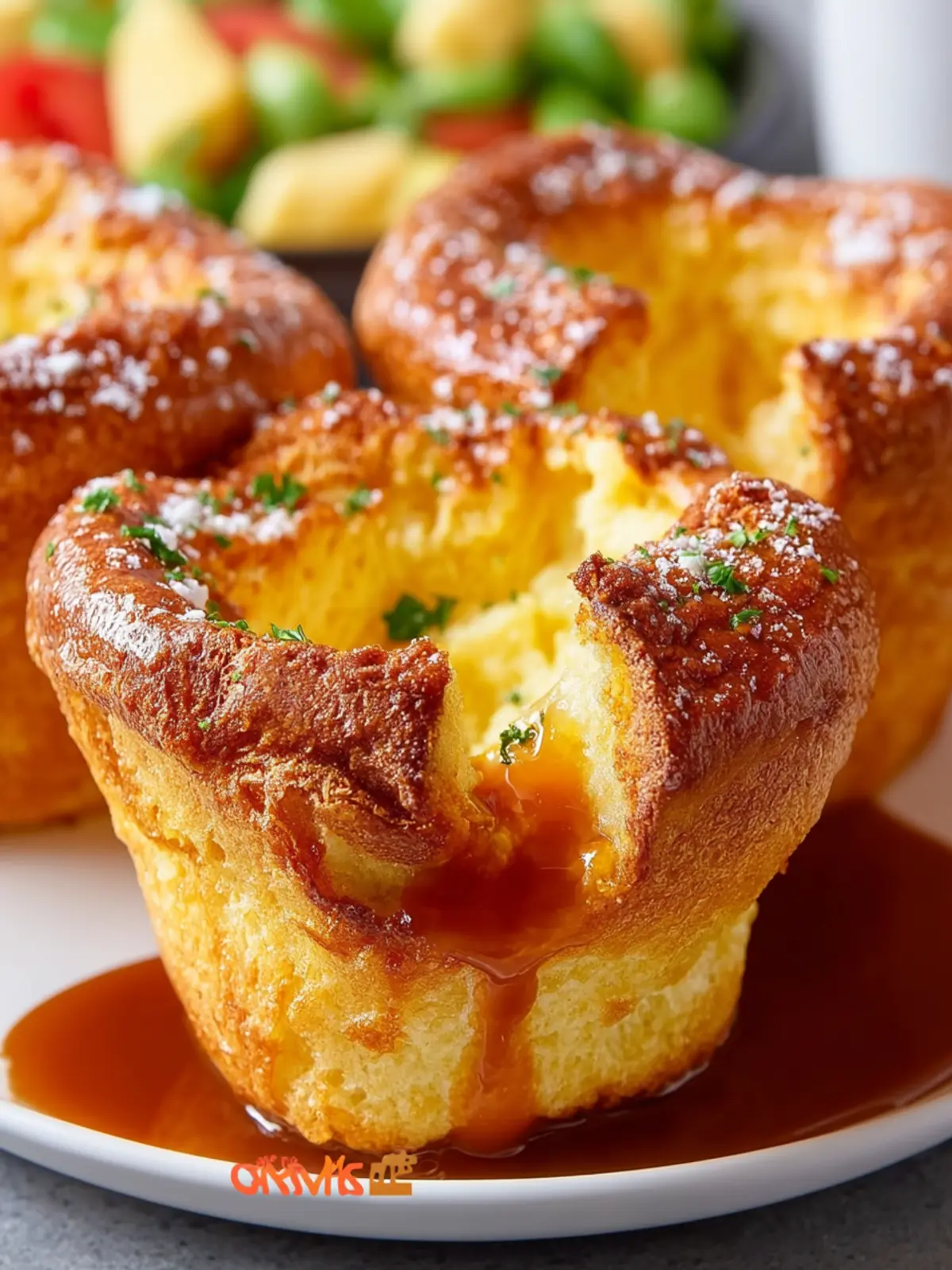
When you think of delightful British comfort food, Yorkshire pudding is likely one of the first dishes that comes to mind. This puffy, golden-brown creation isn’t just a delightful addition to a Sunday roast; it’s a culinary staple that has withstood the test of time. The reason behind its enduring popularity could very well be its unique texture and ability to soak up rich gravies and sauces, making every meal feel a little more special.
The Rich History of Yorkshire Pudding
Yorkshire pudding has a fascinating history that dates back to the 18th century. Originating in the county of Yorkshire, this dish was initially known as “pudding” and was cooked underneath the meat as it roasted. The fat drippings from the meat would seep into the mixture, transforming it into a flavorful, airy delight. Interestingly, it was originally served as a first course to fill diners up before they indulged in the more expensive meat.
Over the years, Yorkshire pudding evolved. You might be surprised to learn that it was once served with gravy as a sauce for the pudding itself, rather than alongside meat. This humble recipe was embraced by families across England, becoming a beloved component of Sunday dinner. As the dish transitioned into mainstream cuisine, it began to be enjoyed as a side that complements roast beef—a combination that many still cherish today.
Did you know that there’s even a national day dedicated to this iconic dish? In the UK, the first Sunday in February is celebrated as Yorkshire Pudding Day, a testament to its cultural significance.
With its rich historical context and a glorious way of soaking up gravy, Yorkshire pudding has transitioned from a practical dish to a beloved culinary tradition. Whether you’re savoring it with tender beef, freshly made gravy, or simply enjoying it on its own, the joy of this classic recipe knows no bounds. As we dive into the steps to create this delicious dish, take a moment to appreciate the heritage that makes Yorkshire pudding special.

Key Ingredients for Yorkshire Pudding
Creating the ultimate Yorkshire pudding is all about using the right ingredients. Each component plays a crucial role in achieving that signature puff and crispy crust you crave.
All-purpose flour
This ingredient is a must-have for achieving that light, airy texture that Yorkshire puddings are famous for. Its versatility provides the ideal structure, allowing the batter to rise beautifully in the oven, creating those irresistible pockets of air.
Eggs
Four large eggs are the secret to getting that perfect lift. They not only contribute to the overall texture but also add richness, resulting in a beautifully puffed pudding that’s golden and enticing.
Whole milk
Whole milk adds an essential creaminess and rich flavor. It helps balance out the eggs and flour, enhancing the overall taste and making each bite of your Yorkshire pudding oh-so-decadent.
Salt
Just half a teaspoon of salt is important for enhancing all the other flavors. It brings out the subtle sweetness of the batter, ensuring well-rounded deliciousness in every mouthful.
Beef drippings or vegetable oil
These are essential for achieving that golden, crispy exterior we all love. The fat sizzles in the hot oven, ensuring your Yorkshire puddings develop a delightful crunch while staying soft inside.
By selecting these quality ingredients, you’re well on your way to mastering the art of Yorkshire pudding.
Why You’ll Love This Yorkshire Pudding
Yorkshire Pudding is more than just a dish; it’s a cherished tradition that brings back memories of family gatherings and cozy Sunday roasts. Imagine the savory aroma wafting through the kitchen as these golden puffs rise to perfection. Each bite is like a warm hug, both comforting and satisfying.
Classic comfort food that feels like a warm hug
With its crispy exterior and soft, airy interior, Yorkshire Pudding is the quintessential comfort food. It perfectly complements a hearty roast beef dinner, soaking up delicious gravy and adding a delightful textural contrast to your plate. Who can resist tearing into a fresh Yorkshire pudding, watching the steam escape while drenching it in rich gravy?
Made with just a handful of ingredients—eggs, flour, milk, and a pinch of salt—this dish is both simple and elegant. The best part? You can whip it up in no time, allowing you to focus on what really matters: gathering around the table with friends or family.
Whether it’s a festive occasion or a casual weeknight dinner, serving Yorkshire Pudding elevates the meal into something special. Trust me, once you taste it, you’ll find yourself craving it for every gathering!
Tips for Making Perfect Yorkshire Pudding
Creating the ideal Yorkshire pudding can transform your Sunday roast into a true feast. Let’s delve into some essential tips to ensure your Yorkshire puddings rise high and deliver that glorious golden finish everyone loves.
Preheating is Key
The first step to success lies in preheating your oven and the tray. The batter needs a blast of high heat to puff up beautifully. Preheat your oven to at least 425°F (220°C), and place your baking tray inside to warm up. When the fat starts shimmering in the hot tray, it’s time to pour in the batter. This immediate action helps to create a crisp exterior while keeping the inside airy and light.
Watch the Fat!
Choosing the right fat is crucial for that perfect Yorkshire pudding. Traditionally, beef drippings offer a rich flavor, but vegetable oil or duck fat can work wonders too. Make sure to use a good amount—about a tablespoon per pudding cup. When the fat is hot enough, it will sizzle when the batter touches it, contributing to that impressive rise!
Pouring the Batter
When it’s time to pour your batter, do it quickly and directly into the hot fat. This ensures the heat transfers immediately, which helps the puddings rise dramatically. Aim for approximately two-thirds full, so they have room to expand without spilling over.
With these tips in hand, you’re well on your way to crafting the perfect Yorkshire pudding. Happy baking!
Variations of Yorkshire Pudding
Exploring the Yorkshire pudding realm opens up delightful possibilities that can elevate your dining experience. Let’s take a look at two creative variations that will surely impress your family and friends.
Cheese-filled Yorkshire Puddings
Imagine bite-sized, golden puffs that ooze molten cheese with each scrumptious bite. For these cheese-filled Yorkshire puddings, simply add your favorite cheese—cheddar, fontina, or even blue cheese—into the batter right before baking. This delightful twist will not only create a savory depth but also enhance the overall experience. You can use shredded cheese or small cubes, ensuring they melt beautifully during the baking process. These cheese-infused delights can be served as a fantastic appetizer or paired with a hearty stew for a comforting meal.
Herb-infused Batter
If you’re looking to add a fresh twist to your traditional Yorkshire pudding, consider incorporating herbs into the batter. Chopped fresh herbs like rosemary, thyme, or parsley can bring a lovely aromatic quality to your puddings. The subtle herbal notes will complement any roast beautifully, turning your dish into a gourmet experience. Just mix in a tablespoon or two of your chosen herbs to the batter before pouring it into the hot oil. You’ll be surprised at how each bite feels like a luxurious dining event, making the humble Yorkshire pudding feel utterly sophisticated.

Serving Suggestions for Yorkshire Pudding
The delightful Yorkshire Pudding is not just a side dish; it’s a companion to extraordinary meals that elevate any dining experience. This fluffy and golden delight becomes a centerpiece when paired with traditional roast beef, a culinary match made in heaven.
Pairing with Roast Beef
Imagine the delicious harmony of Yorkshire Pudding cradling tender slices of juicy roast beef. This combination elevates a neatly laid dinner table to an experience worthy of celebration. The subtle crunch of the pudding’s edges, enhanced by its pillowy interior, complements the rich flavor of beef beautifully. A tip? Opt for a nice sirloin or rib roast; the flavors meld together seamlessly, creating a comforting and hearty meal that warms the soul.
Enjoying with Gravy
There’s something magical about drenching your Yorkshire Pudding in savory gravy. The pudding, with its unique texture, rapidly soaks up the rich, warm sauce, transforming it into a flavorful, comforting bite. Whether you prefer a classic beef gravy or a homemade veggie option, the indulgence of adding gravy to your Yorkshire is what makes this dish truly special. Let each forkful remind you why this classic is a beloved staple in many households!
Time Breakdown for Yorkshire Pudding
When it comes to mastering the art of Yorkshire Pudding, understanding the time commitment can make all the difference. It’s like a well-choreographed dance, with each step timed to perfection.
Preparation time
To get started, you’ll need about 10 minutes for preparation. This time is spent measuring and combining your ingredients, ensuring you’re set up for success before the cooking begins.
Cooking time
Once you’re ready, the cooking process adds another 25 minutes. This is where the magic happens, as your Yorkshire Puddings rise beautifully in the oven and turn golden brown.
Total time
All in all, you’re looking at approximately 35 minutes from start to finish. This brisk timeline makes it easy to whip up these delightful treats to accompany your Sunday roast or any family meal. Enjoy the delightful aroma that fills your kitchen!
Nutritional Information for Yorkshire Pudding
When diving into the world of Yorkshire Pudding, it’s worthwhile to consider its nutritional profile. This traditional British dish is often enjoyed alongside roasts and gravies, making it a comforting addition to any meal. Knowing what you’re consuming can help you enjoy it even more!
Calories
A typical serving of homemade Yorkshire Pudding contains around 100-120 calories. This makes it a nice treat without being overly indulgent.
Protein
One serving provides about 3 grams of protein. While it’s not a primary protein source, it does contribute to your daily intake, especially when paired with a hearty meal.
Carbohydrates
Each serving has roughly 15-20 grams of carbohydrates. This includes simple carbs and a bit of fiber, which can provide a quick energy boost during your day.
Next time you whip up a batch of Yorkshire Pudding, savor every bite with this nutritional knowledge in mind!
FAQs about Yorkshire Pudding
For anyone eager to discover the delights of Yorkshire pudding, understanding the common pitfalls can make all the difference in achieving that perfect golden rise. Let’s delve into some frequently asked questions that will guide your cooking journey.
Why do my Yorkshire puddings not rise?
Finding flat Yorkshire puddings can be disheartening. A few common reasons might include:
- Overmixing the batter: Too much mixing can incorporate air bubbles that collapse in the oven. Aim to mix just until combined.
- Temperature issues: Ensure your oven is preheated properly, and don’t open the door while they’re cooking. The initial heat is critical for a good rise.
- Fat temperature: The fat (oil or beef drippings) must be hot before pouring in the batter. This creates steam that helps the puddings puff up.
Can I make Yorkshire pudding in advance?
Making Yorkshire pudding in advance is not recommended for best results since they tend to lose their freshly-baked texture. However, you can prepare the batter ahead of time and store it in the fridge for up to 24 hours. Just remember to let it come to room temperature before baking!
What’s the best way to store leftovers?
If you find yourself with extra Yorkshire puds, cooling them completely before storing is key. Place them in an airtight container in the fridge for up to three days. For reheating, pop them in the oven for a few minutes to regain that delightful crispness. Avoid microwaving, as this will make them soggy. Enjoy your delectable leftover Yorkshire pudding at your next meal!
Conclusion on Yorkshire Pudding
As your journey through the world of Yorkshire Pudding comes to an end, it’s essential to reflect on why this dish holds a special place in British cuisine. There’s something magical about the combination of simple ingredients transforming into airy, golden delights that are perfect with a Sunday roast.
With each puff you create, you’re not just cooking; you’re crafting a culinary tradition that has warmed homes for generations. So, gather your ingredients, follow the steps, and let the aroma guide you. Your homemade Yorkshire Puddings will surely impress and evoke sweet memories around the table. Enjoy every delicious bite!
Print
Yorkshire Pudding
- Total Time: 40 minutes
- Yield: 12 servings 1x
Description
A classic British side dish, perfect for serving with roast beef.
Ingredients
Scale
- 1 cup all-purpose flour
- 4 large eggs
- 1 cup whole milk
- 1/2 teaspoon salt
- 12 teaspoons beef drippings or vegetable oil
Instructions
- Preheat your oven to 450°F (230°C) and place a muffin tin inside to heat up.
- In a mixing bowl, whisk flour and salt.
- In a separate bowl, beat eggs until frothy, then slowly whisk in milk.
- Combine wet and dry ingredients into a smooth batter. Let it rest for 30–60 minutes at room temperature.
- Once the oven is ready, carefully remove the muffin tin and add 1 teaspoon of fat to each cup. Return tin to oven until fat is smoking hot (about 5 minutes).
- Quickly pour batter into each cup, filling halfway.
- Bake for 20–25 minutes without opening the oven. They should be puffed and golden brown.
- Serve immediately while hot and crispy.
Notes
- Resting the batter helps achieve a better rise.
- Make sure the fat is hot before adding the batter.
- Prep Time: 10 minutes
- Cook Time: 25 minutes
- Category: Side Dish
- Method: Baking
- Cuisine: British
Nutrition
- Serving Size: 1 pudding
- Calories: 90
- Sugar: 1g
- Sodium: 200mg
- Fat: 7g
- Saturated Fat: 1g
- Unsaturated Fat: 4g
- Trans Fat: 0g
- Carbohydrates: 8g
- Fiber: 0g
- Protein: 4g
- Cholesterol: 78mg